



Typing and literacy support for students with dyspraxia
A program to help children and young-adults with motor coordination difficulties learn touch-typing skills, while strengthening reading and spelling

Featured in


A program that's helping with typing and spelling!
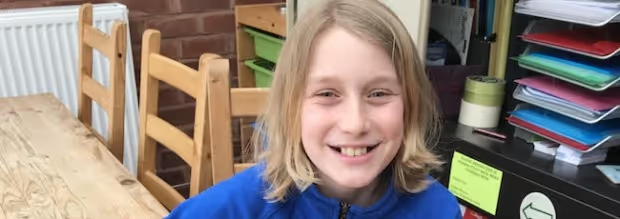
My son started using the Touch-type Read and Spell course with a tutor about two years ago. Shane has dyspraxia which causes his hands to hurt when he writes. We never thought he’d be able to do five modules a day, but then he had a lightbulb moment when it just started working for him - he got praise, and could see good scores. He finally felt that ‘I can do this,’ feeling! Shane now brings his laptop to school and uses it when there are writing assignments. In addition to his typing skills, we’ve seen a positive impact on his spelling as well.
What are the advantages of typing for children with dyspraxia?
They can...
- Produce clear, legible textTyping is often easier than handwriting and helps create readable and formatted text for classroom notes and homework assignments.
- Access spelling and grammar toolsUsing a computer for writing enables spelling and grammar checks, supporting learners in making revisions and writing in drafts.
- Strengthen literacy with phonics-based learningA phonics-based curriculum enhances decoding and spelling skills, offering a structured approach to literacy development.
- Reduce anxiety and build staminaRegular typing practice lowers anxiety, builds stamina, and helps individuals with motor coordination difficulties gain confidence.
- Boost self-esteem and confidencePositive feedback from typing activities can significantly improve self-esteem and motivation, especially for those with a history of educational challenges.
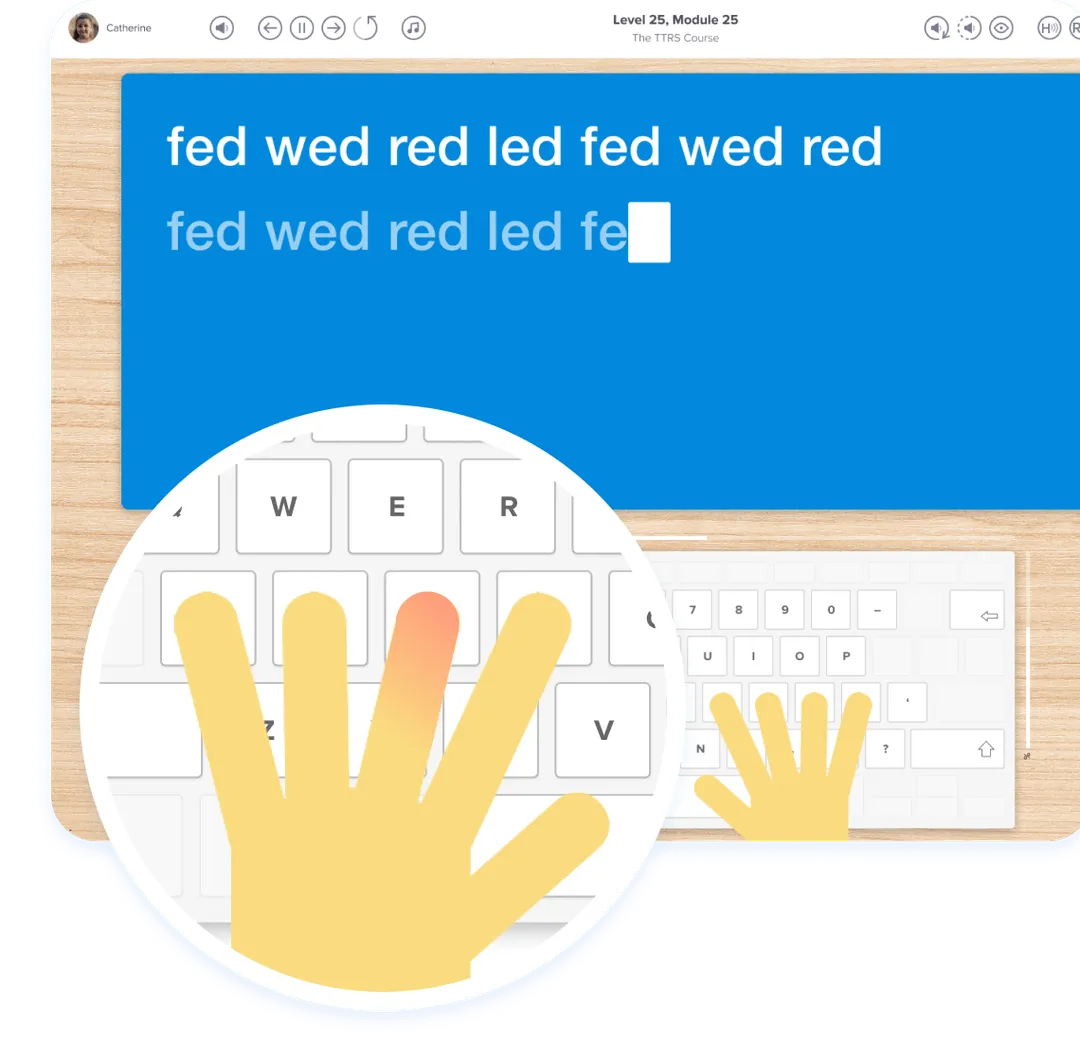
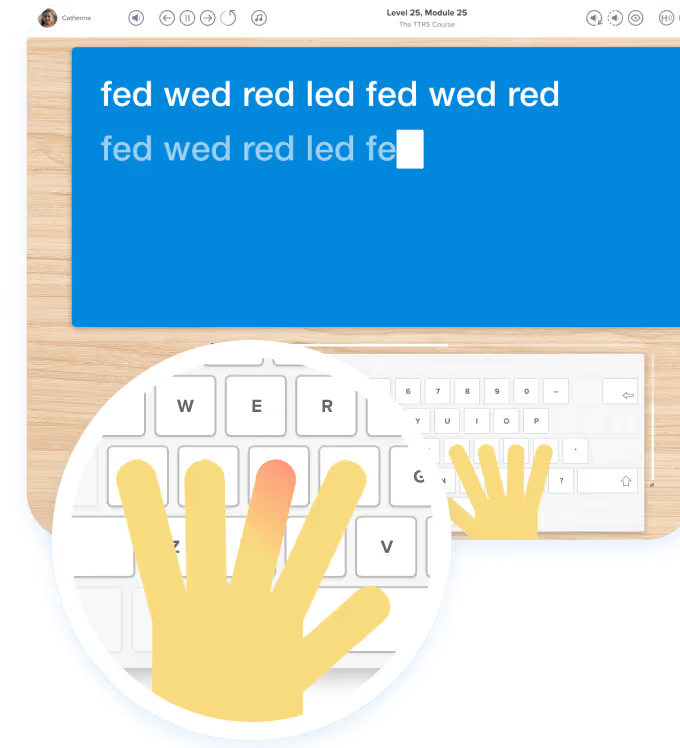
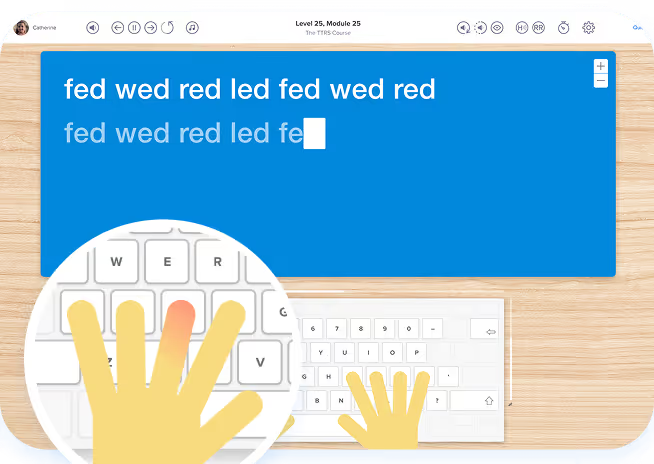
Find the solution that’s right for you
Explore our tailored subscriptions and find the perfect fit


TTRS is designed for learners of every age and ability level
Build more confidence and enhance your typing skills with each completed module
- Learn keyboarding in a supportive wayTTRS helps students with motor coordination difficulties learn to type at their own pace.
- Boost spelling and improve reading fluencyEnhance spelling skills and reading fluency through a structured, supportive approach.
- Build independence through self-directed learningEncourage students to work at the computer independently and write with greater fluency.
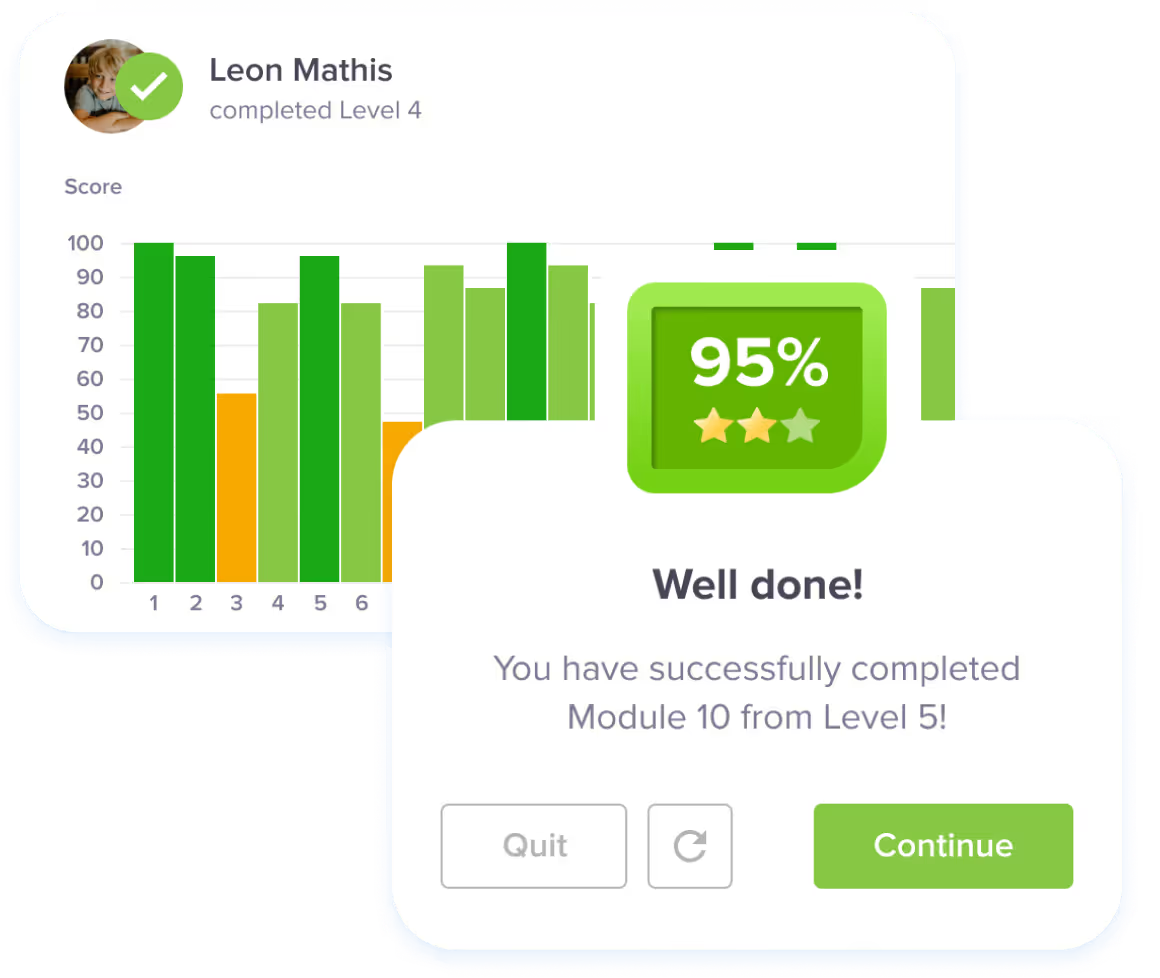
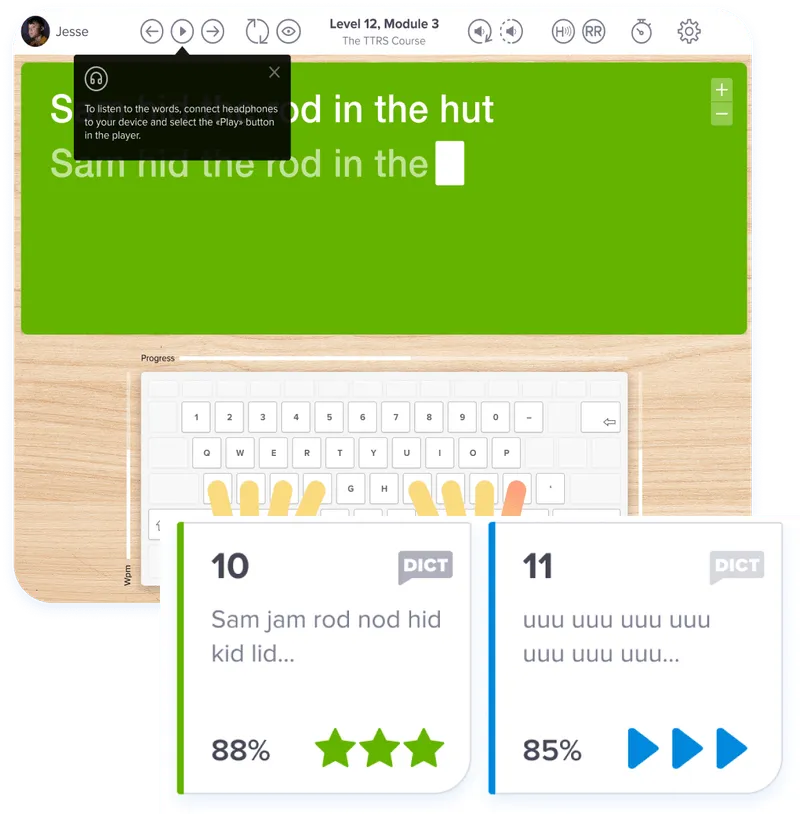
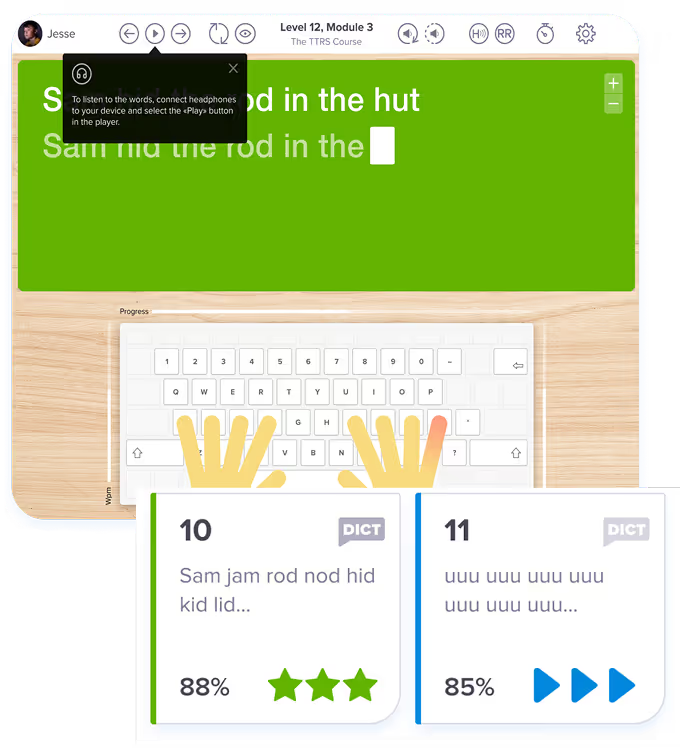
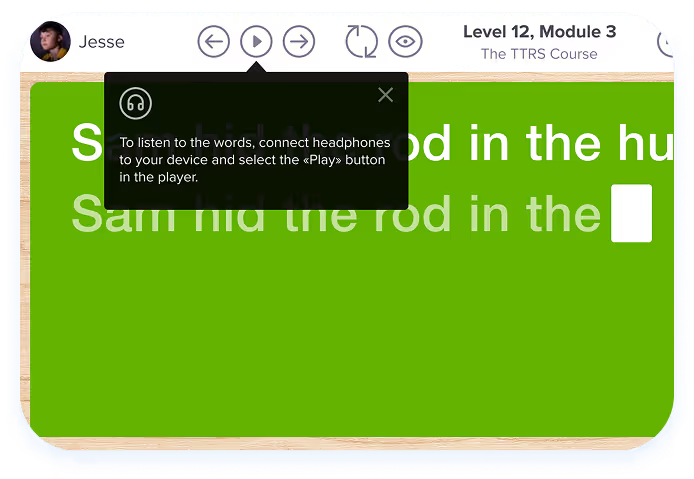
The TTRS platform offers typing, spelling, reading and writing support in one course
- Learn 4,500+ wordsMaster over 4,500 English words, building typing, reading, and spelling skills together.
- Improve spelling with muscle memoryDevelop muscle memory in the fingers to help with spelling.
- Whole word approach from the startType whole words from Day 1 – no confusing letter combinations
- Structured, supported learningEnjoy a step-by-step, supportive learning experience designed for success.


With Touch-type Read and Spell…
Typing, spelling, reading and writing support are bundled into one solution
Material is presented in bite-size chunks
Learning is multi-sensory
The initial focus is on accuracy vs. speed
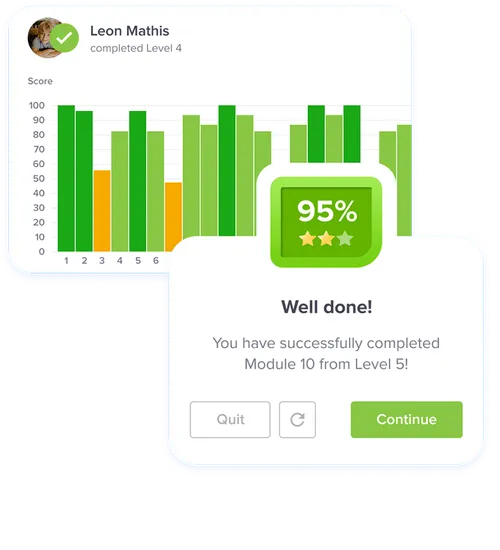
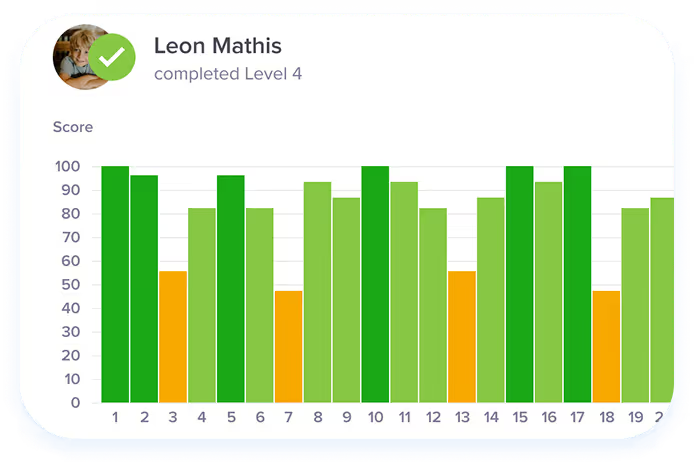
Progress is displayed in easy-to-read charts and reports
Confidence and self-esteem develop

Over 30 years of expertise
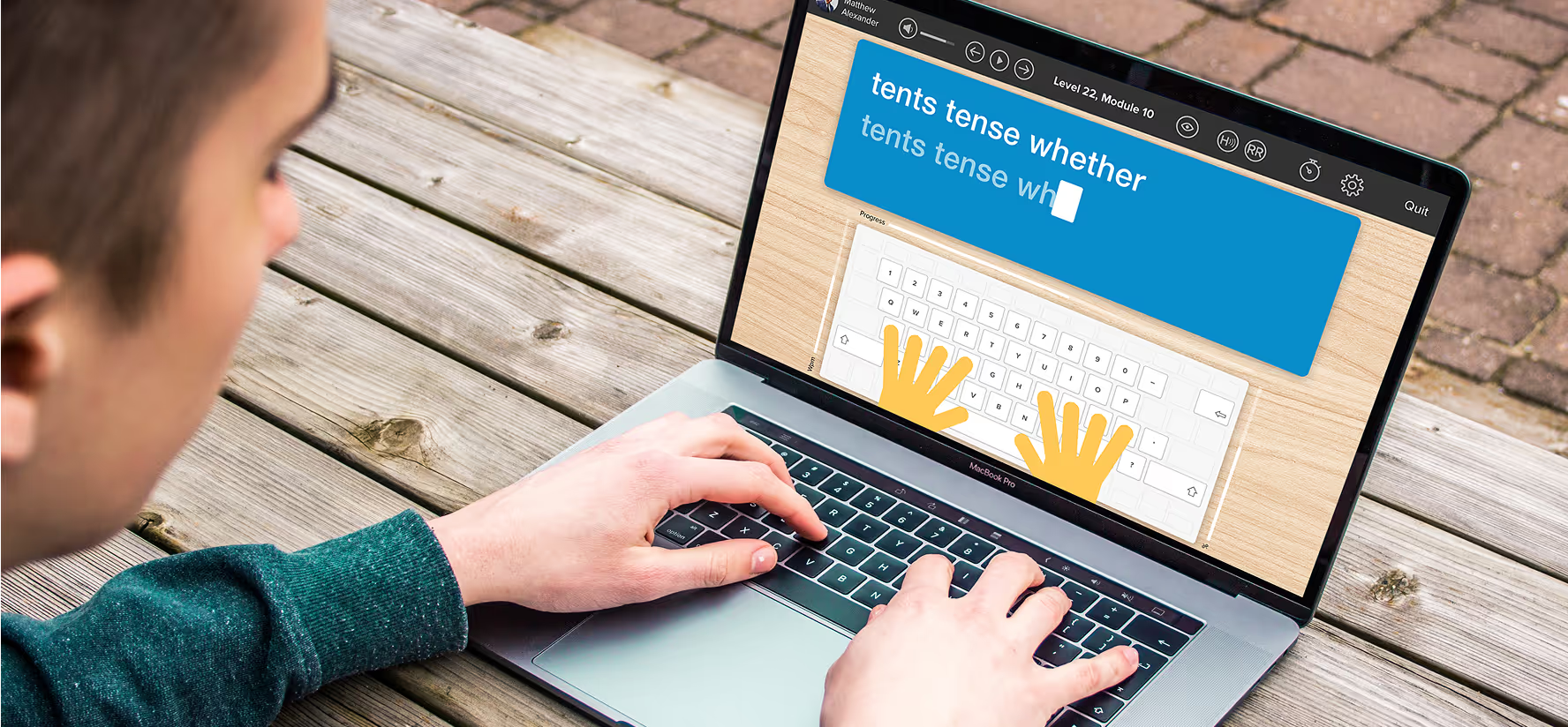
TTRS provides a high-quality, phonics and spelling-based, online typing course that teaches touch-typing at the same time as developing the power of literacy.
Based on extensive research
Our course teaches typing skills in a unique, multi-sensory way by following a structured literacy curriculum. Core content is based on the work of Orton and Gillingham.
Transform your struggles into success
TTRS empowers both kids and adults to build confidence and improve typing, reading, writing and spelling skills
Testimonials and reviews
Hear first-hand from our incredible community of users
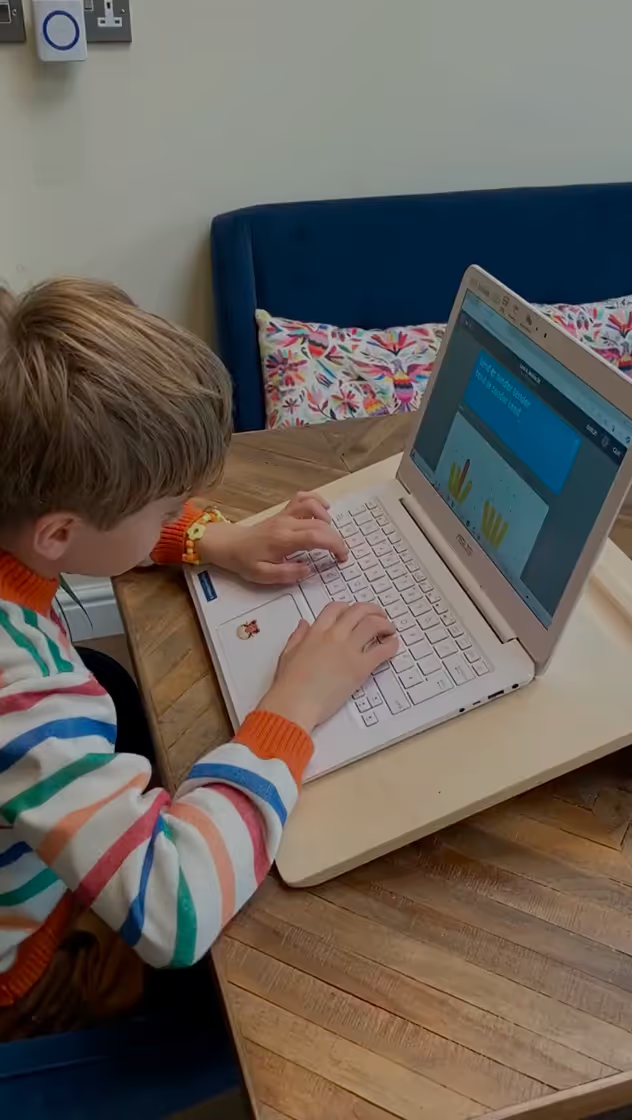
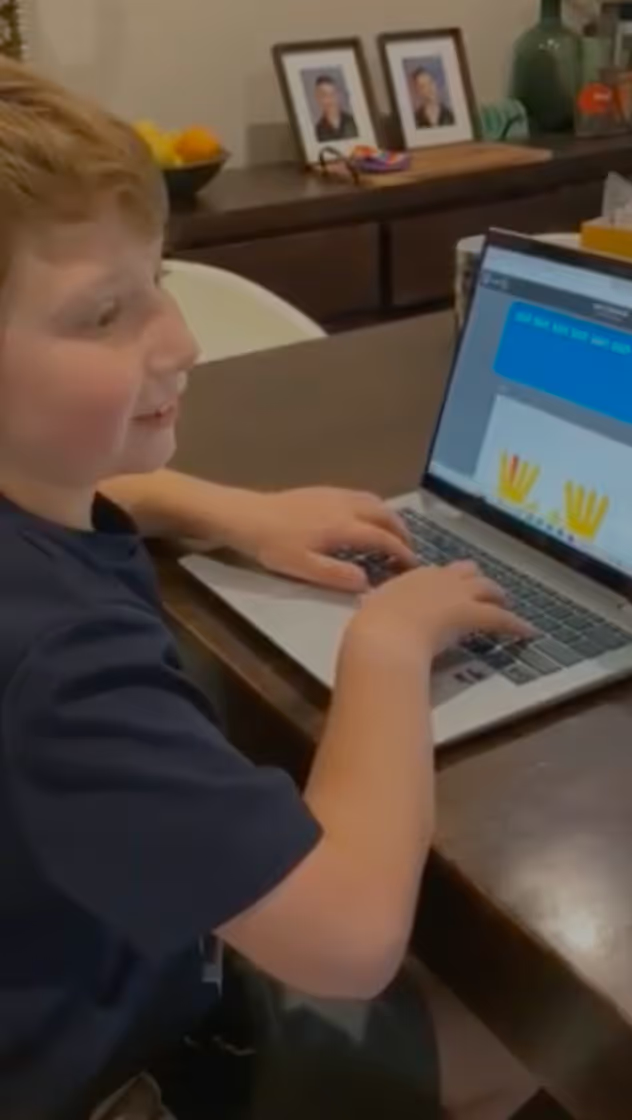
We decided to use Touch-type Read and Spell to help my son, who struggles with handwriting and spelling. My son has stuck with TTRS! He likes the short lessons and that he can do 15 minutes a day which isn't too daunting.


Frequently asked questions
Used by






Find the solution that’s right for you
Explore our tailored subscriptions and find the perfect fit