



Typing and literacy support for
stroke recovery
A program to help individuals with aphasia, dysphasia and dysarthria train touch-typing skills as part of a language rehabilitation program

Featured in



Helping my husband regain language skills
My husband has aphasia from a brain hemorrhage. He lost much of his ability to read, write, spell, number recognition, and arithmetic ability. TTRS has been a great help in regaining some of that back ... it is also good for us aging folk who want to keep the brain learning and improve typing and computer skills.
What are the advantages of typing for individuals who have had a stroke?
They can...
- Reduce anxietyTyping provides a calmer, more controlled way to communicate, lowering anxiety and frustration.
- Enhance memoryRegular typing practice improves memory and makes it easier to retrieve words and phrases.
- Strengthen fine motor skillsTyping can serve as part of a physical rehabilitation program, building finger strength and control and promoting neuroplasticity.
- Build confidence and self-esteemImprovements in typing speed and accuracy can be motivating and give clear feedback on recovery.
Transform your struggles into success
Harness the power of multi-sensory learning to develop subject knowledge and improve reading and spelling skills


TTRS is designed for learners of every ability level
Take an active role in your stroke recovery with multi-sensory typing
- Relearn the written and spoken form of words using a one or two-handed version of the course
- Work through material in your own home, at your own pace
- Get regular practice with short lessons
- Study independently or with a speech and language therapist

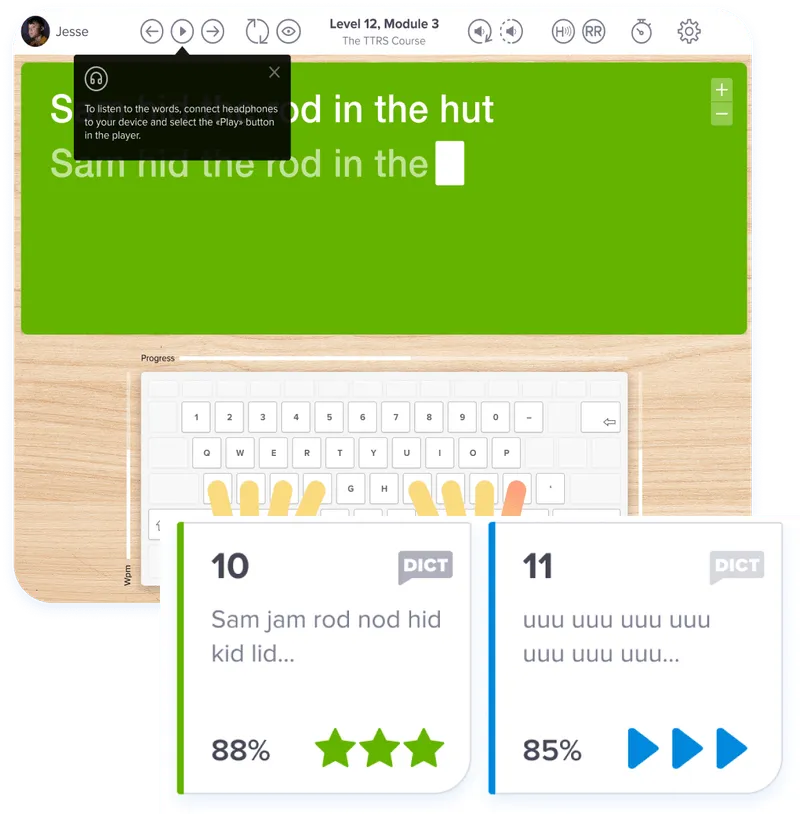
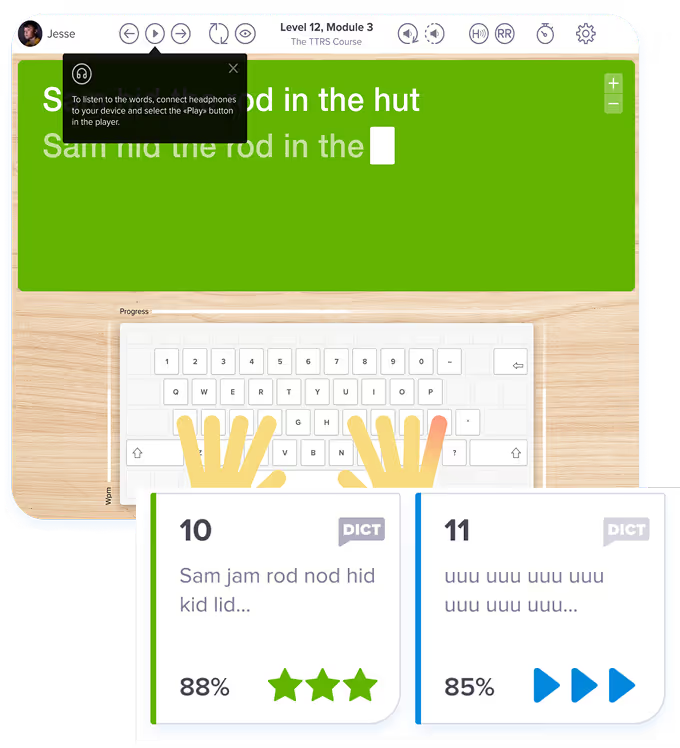
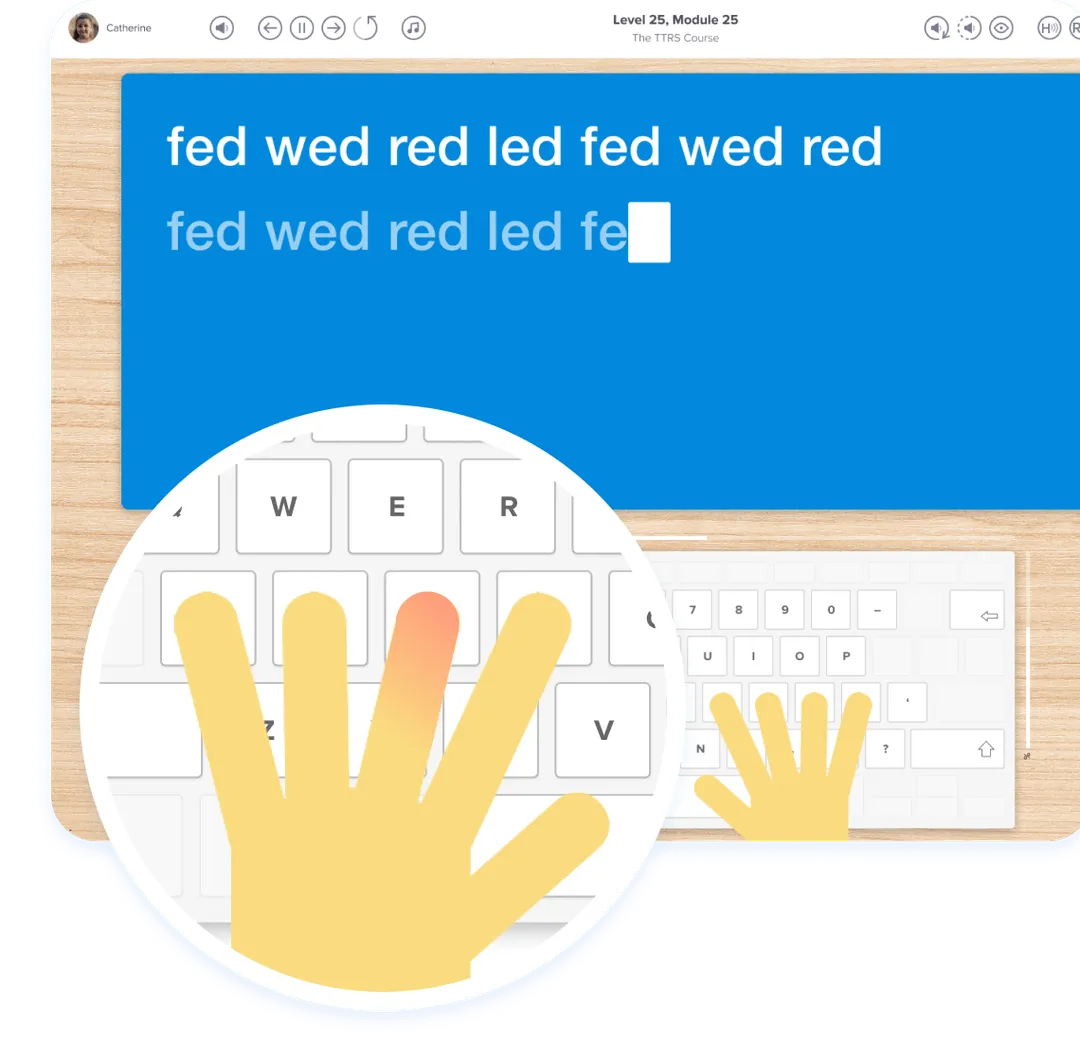
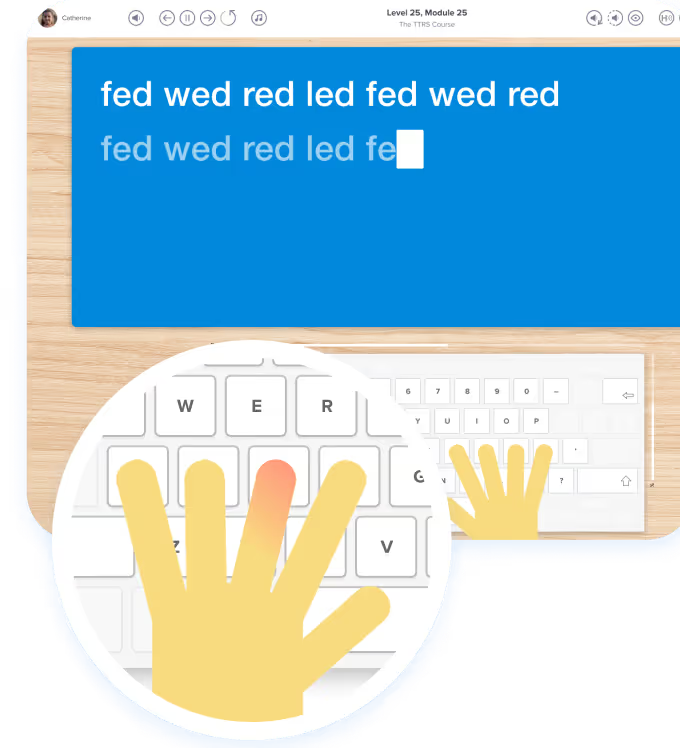
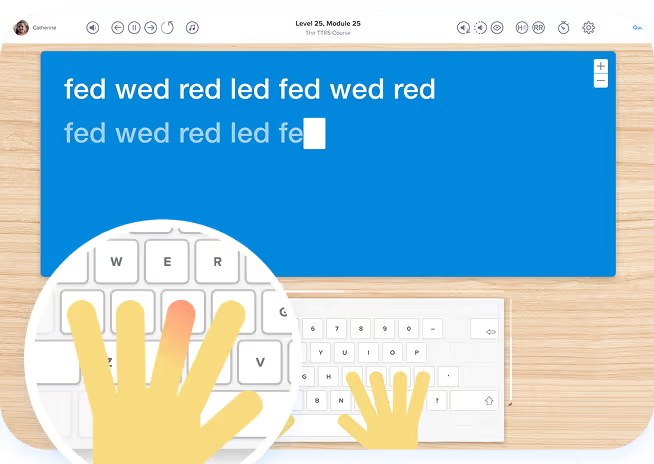
The TTRS Course teaches typing and strengthens language processing skills at the same time
- Strengthen knowledge of 4,500+ wordsMaster over 4,500 English words, building typing, reading, and spelling skills together.
- Improve spelling with muscle memoryDevelop muscle memory in the fingers to help with spelling.
- Whole word approach from the startType whole words from Day 1 – no confusing letter combinations
- Structured, supported learningEnjoy a step-by-step, supportive learning experience designed for success.


With Touch-type Read and Spell…
Typing, spelling, reading and writing support are bundled into one solution
Material is presented in bite-size chunks
Learning is multi-sensory
The initial focus is on accuracy vs. speed
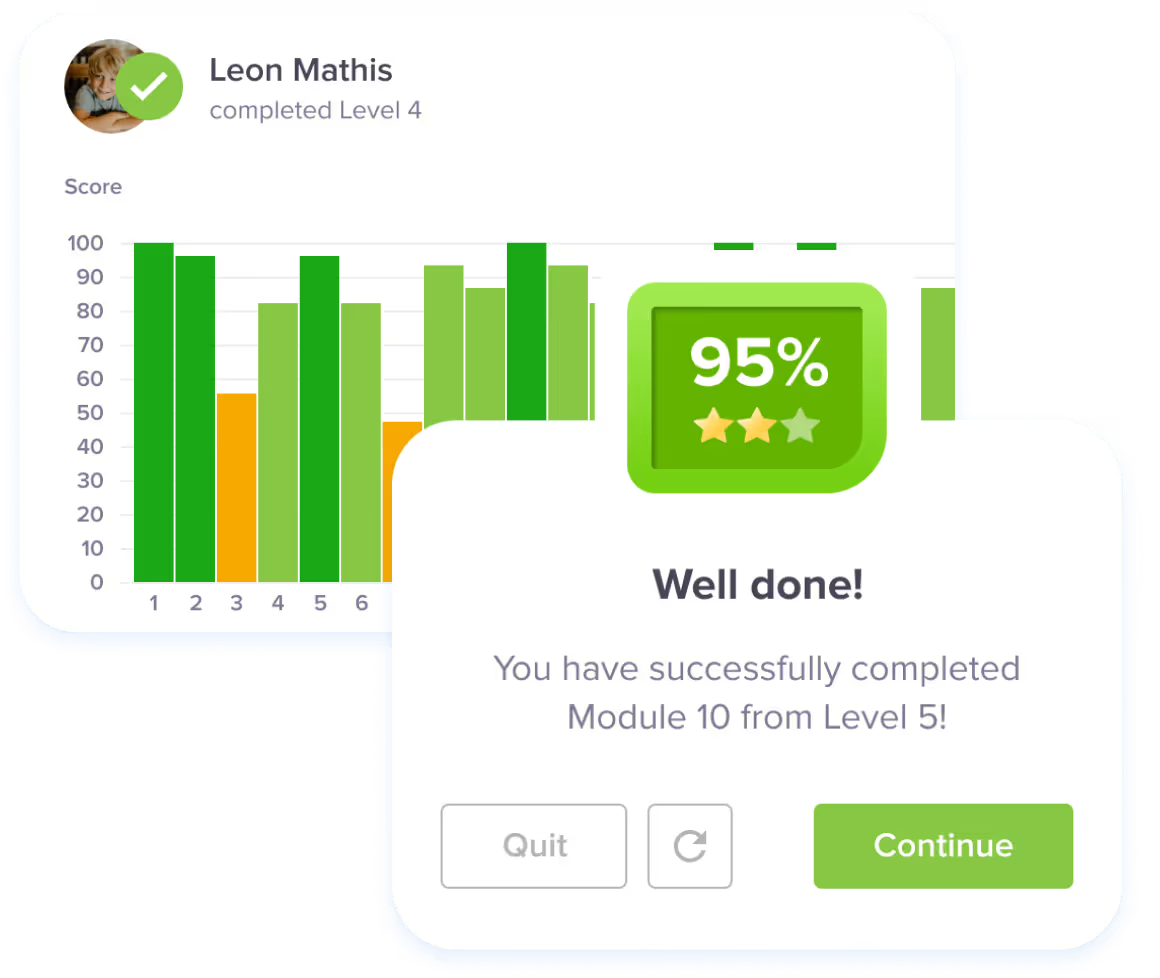
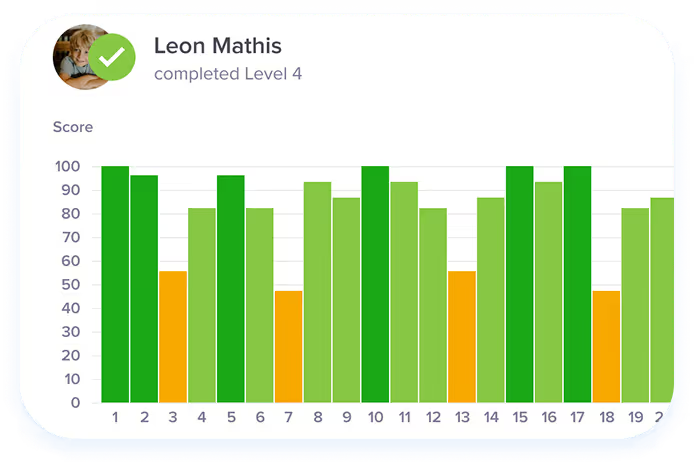
Progress is displayed in easy-to-read charts and reports
Confidence and self-esteem develop
Diverse communication goals are supported
Enhance your memory and facilitate word retrieval
Strengthen your language recognition and productive skills

Over 30 years of expertise
TTRS provides a high-quality, phonics and spelling-based, online typing course that teaches touch-typing at the same time as developing the power of literacy.
Based on extensive research
Our course teaches typing skills in a unique, multi-sensory way by following a structured literacy curriculum. Core content is based on the work of Orton and Gillingham.
Transform your struggles into success
Harness the power of multi-sensory learning to develop subject knowledge and improve reading and spelling skills
One stroke survivor’s story
In 2000 Bob suffered a stroke which left him with paralysis down his right side and no ability to speak. His mind was damaged by a blood clot that affected the parts of his brain responsible for communication. That means that while he was able to think and understand speech, he could not express himself.
Bob’s family caregivers started him in therapy which included practising with Touch-type Read and Spell. The program provided a multi-sensory approach to typing with words being presented letter by letter on a screen, accompanied by typing instructions and audio.
Thanks to the help of a dedicated friend who visited every Wednesday, Bob practised once a week. The combination of seeing letters and words, hearing and then copying them worked wonders for his recovery therapy. Repetition and the gradual introduction of new words meant that over the past few years Bob has mastered more and more new words and is now able to make himself understood through typing and speech.



Frequently asked questions

Used by





Transform your struggles into success
Harness the power of multi-sensory learning to develop subject knowledge and improve reading and spelling skills