


Following a blog can keep you informed about the latest research and help you stay abreast of dyslexia related events and important dates, such as Dyslexia Awareness Month and Dyslexia Awareness Week in early October. If you’re active or thinking of becoming active in a dyslexia campaign, it’s a great way to connect with other advocates, particularly those working outside of your area.
Blogs are also an ideal way to go about researching, as they are typically full of can-do posts that avoid the dense format of reference material. You may discover authors who are themselves dyslexic and thus write in a more intuitive manner.
For parents of children who have just received a diagnosis, it can be helpful to read about the experiences of other families who have embarked on a similar journey.
Teachers too can benefit from blogs, particularly when they are written by other educators who have found success in alternative approaches to school and learning. The classroom can be a challenging and scary place for a dyslexic student and having a teacher who understands them and provides ample encouragement is key. This is true when it comes to offering support as well as talking about the strengths associated with dyslexia.
An informed teacher might allow more room for creativity in assignments or make practical adjustments to texts and hand-outs to increase their readability. They can also customize feedback to ensure a child’s self-esteem and confidence are not at risk.
Even for the well-versed teacher who can spot the signs of dyslexia without difficulty, it’s worth staying up to date by reading a blog that rounds up research and publishes reviews of new resources and assistive technology.
Dyslexia is different for every learner and can look different if a student has more than one learning difficulty. The more you know about learning difficulties, the more you can help a child overcome any challenges they face and achieve their full potential at school.

What is dyslexia?
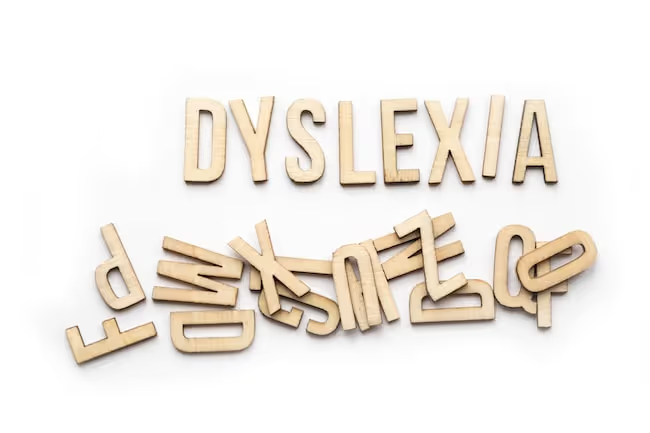
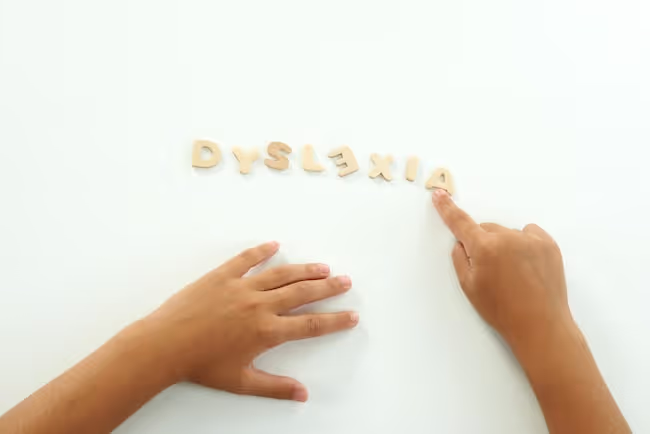
Dyslexia is a different way of processing information in the brain. While it is often associated with poor spelling and difficulty sounding out words in reading, it can also lead to increased creativity, out-of-the-box thinking and an ability to see the greater picture—read more about dyslexia strengths.
Depending on where you live, dyslexia may be called a learning difference, difficulty or disability. It might not seem like these terms are that different but each name conveys a subtle message.
Disabilities are lifelong handicaps, difficulties are challenges that can be overcome and differences are simply alternative approaches to thinking. Changing the dialogue around dyslexia in your home or school begins with using labels that avoid added stigma.
Read more about encouraging student with learning difficulties and helping dyslexic students in the classroom.
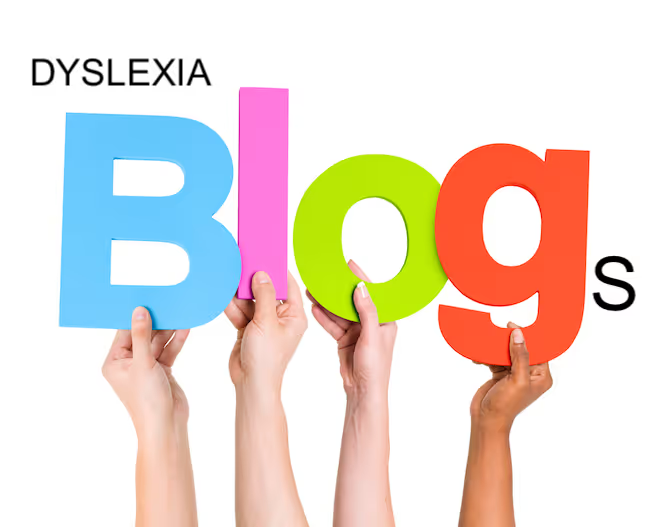
6 Blogs on dyslexia
- The Dyslexia Daily
This is a must-read blog for anyone who is dyslexic, including parents and teachers of kids with dyslexia. You’ll find a mix of articles on dyslexia and other learning difficulties, including ADHD and dyscalculia, reviews of different learning and reading approaches, and heartfelt personal stories from regular contributors, including other dyslexia bloggers. - The Studying With Dyslexia Blog
This is a UK-based blog that aims to provide both parents and teachers of students with dyslexia with valuable resources for navigating school and assistive technology. They have practical posts and articles from SEN teachers and dyslexia specialist tutors. You'll also find information on dyslexia events in England and links to social media-based parenting support groups, to help you stay connected. - Dyslexia Blog
This blog is by parents, for parents and aims to share resources and information to aid families in supporting a child with dyslexia. While it was primarily written in 2008 and 2009, readers will find a wealth of information in blog posts ranging from how to navigate the periodic table of elements to the Ebbinghaus forgetting curve. There are also plenty of tips for strengthening your memory if you have dyslexia. - The Reading Well
Michael Bates is himself a parent of a child with dyslexia and while most of his posts are from a few years ago, this blog covers research on dyslexia including multi-sensory learning, reading programs and product reviews. It’s an excellent place for teachers and parents to find resources, especially those who homeschool kids with dyslexia. The entire site is dyslexia-friendly in terms of fonts and text presentation and the author has created guides for anyone in the UK, US or Canada. - The Beating Dyslexia Blog
This blog offers personal posts from a trio of authors who met at school and connected over their shared struggle with dyslexia. It’s full of resources and has blog posts for individuals, including working adults and children, as well as parents and teachers. The authors believe learning should never stop and they’ve done their best to put together a collection of posts to help people with dyslexia wherever they are in their journey. - ReadSource
This site, formerly known as the Dyslexia Resource Blog, is now run by ReadSource who provides teacher training to help struggling readers within local communities. Nonetheless, you'll find plenty of blog posts that discuss different dyslexia-friendly teaching approaches, interviews with reading and writing experts and unique articles such as how to teach dyslexic students self-advocacy skills. Families who homeschool will also find this to be a helpful resource.
Read and Spell
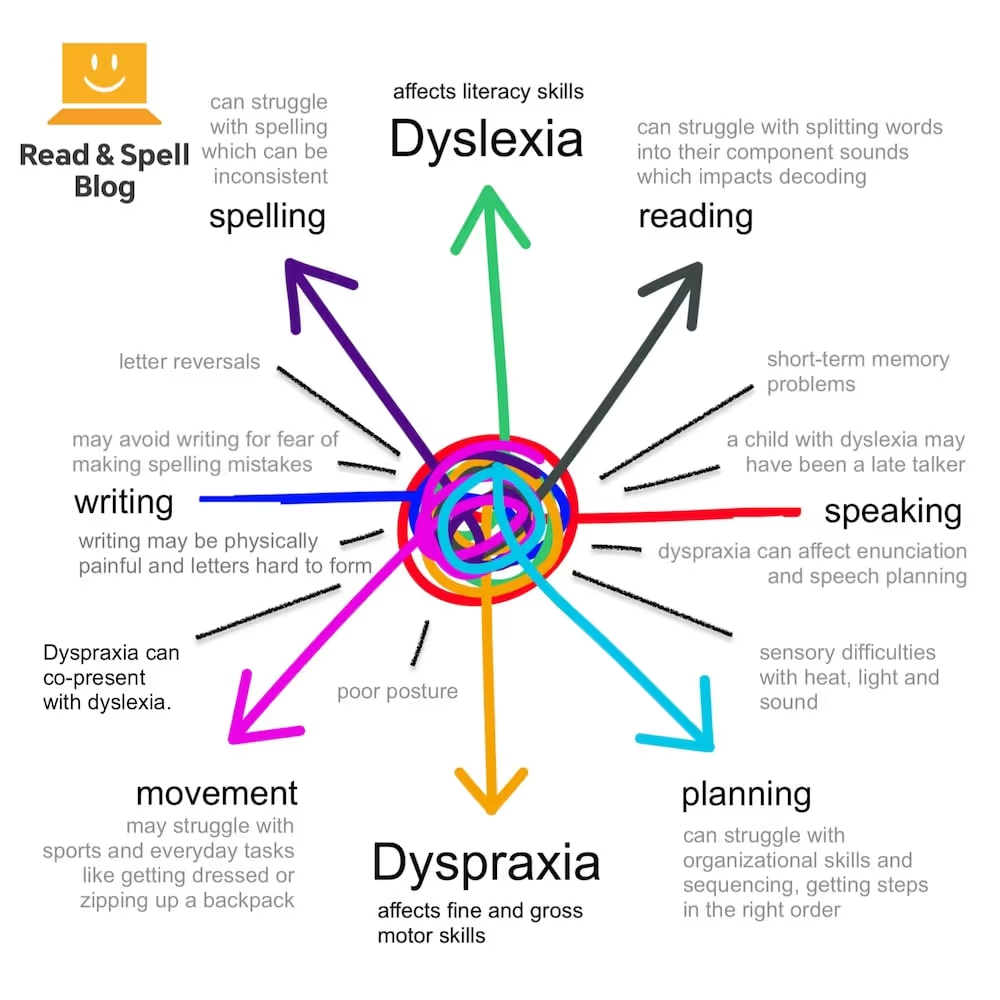
In addition to these resources, Touch-type Read and Spell publishes Read and Spell articles on dyslexia, literacy skills, and other specific learning difficulties. Topics range from advice on how to understand dyslexia, to tips for teachers and homeschoolers on how to provide the best resources and classroom accommodations. Our guest posts include commentary from parents of children with dyslexia as well as motivational posts on the strengths associated with language-based learning difficulties. You can also read about the intersection of dyslexia and dyspraxia, dyslexia and dysgraphia, dyslexia and dyscalculia, and dyslexia and visual and auditory processing disorders.

Why not write your own post?
If you are passionate about dyslexia, you might consider writing your own blog post. It could be your goal is to share a set of reading and learning strategies, or review a particular resource your child has found useful.
It may also be that you choose to write about personal experiences. Sharing your story with others can help you reflect on the challenges you’ve encountered, as well as your successes. It’s a great exercise to help you gain perspective on how far your child has come.
Just because you are blogging it doesn’t mean you have to be the perfect writer or produce text-heavy paragraphs. Writing in numbered lists or bullet points is a great way to communicate information quickly and efficiently and may be easier for other dyslexic readers to digest.
If you have an idea for a blog, feel free to get in touch with TTRS about becoming a guest author. Many of the blogs in the above list will also republish articles or help you find a venue that will.
Resources and support for dyslexia
We recommend joining a local dyslexia support group where you can meet other parents who have come across strategies that your child could benefit from. There are also online teacher forums for exchanging ideas on accommodations for students with various learning difficulties.
Leaving comments and being part of an online community is a great way to engage with others and seek emotional support when you are going through a challenging period.
Read more about spelling strategies for dyslexia, accommodations for dyslexia, the best fonts for dyslexia and motivational quotes about dyslexia
Touch-type Read and Spell
Many of the readers of this blog are also users of TTRS, a touch-typing and literacy program for learners with dyslexia. TTRS takes a multi-sensory approach to teaching keyboarding skills, in line with Orton-Gillingham.
Because it is a dyslexia-friendly method, individuals focus on accuracy and master typing step-by-step, strengthening phonics skills and practicing spelling and reading skills as they go.
Discover a typing program for students with dyslexia
Small modules help with building confidence and momentum, and self-esteem is boosted as a new skill is acquired and literacy skills improve. In addition to children and adults with dyslexia, the course has also helped learners who struggle with dyspraxia, sensory deficits, ADHD, and dysgraphia.
Learn more about how typing can support students with dyslexia in this article.