Oops! Something went wrong while submitting the form.
All
When learning disabilities in adults go undiagnosed
How to spot learning disabilities in adults and help individuals get access to the right resources and education programs.
Adult education
All
Help! I can't spell.
Help! I can’t spell. Learn which kind of errors are common and when spelling difficulties may be a sign of a learning difficulty.
Spelling
Dyslexia
Adult education
All
Learning disabilities and self-esteem
Understand how learning disabilities and self-esteem are related and what you can do to help children and young-adults develop a positive self-image.
Learning difficulties
Special needs
Teaching tips
All
Specialist dyslexia schools or public school - which is best?
What you need to know about specialist dyslexia schools and how to decide on the right educational institution for your child.
Dyslexia
All
How to improve spelling skills
Try these tips on how to improve spelling skills in English when you find they are interrupting your work or school routine.
Spelling
Adult education
All
Regaining speech after a stroke
Learn more about language in the brain and how to work through a recovery program aimed at regaining speech after a stroke.
Stroke recovery
All
Down syndrome interesting facts
Did you know some children with Down syndrome have learned to read at age 2? Discover more interesting facts about Down syndrome.
Down syndrome
All
Dyslexia and spelling - what's the connection?
Learn more about the relationship between dyslexia and spelling, including how to recognize the signs of dyslexia and help students who are struggling.
Dyslexia
Spelling
All
Why is keyboarding important?
Why is keyboarding important in an educational and professional context and how can touch typing help individuals with learning difficulties.
Touch-typing
All
Dyslexia and foreign language learning
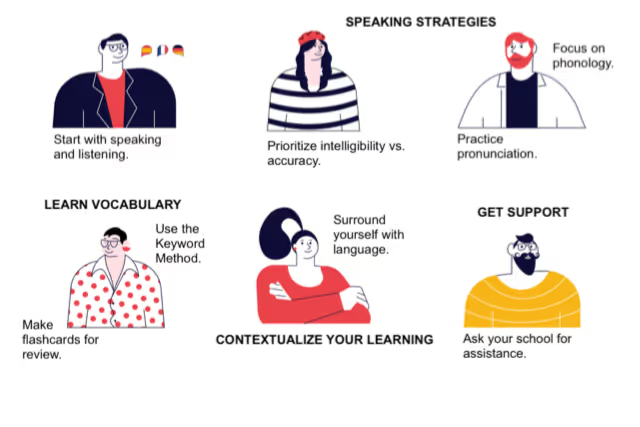
While not much research exists on dyslexia and language learning, it's thought that some languages may be easier to learn than others.
Dyslexia
Teaching tips
All
Dysarthria vs. aphasia
Which symptoms can you expect for dysarthria vs. aphasia and how can stroke survivors improve their language skills at home.
Stroke recovery
Special needs
All
How to help with spelling
Learn how to help with spelling and understand which students are more likely to experience spelling difficulties in the classroom.
Spelling
Teaching tips
Dyslexia
All
What does mild dyslexia look like?
Learn how to recognize mild dyslexia in children and adults and discover some strategies that can help with reading and writing.
Dyslexia
Teaching tips
All
Autism and typing
Learn more about autism and typing and try these tips for teaching keyboarding to autistic students, both high functioning and nonverbal learners.
Autism
Special needs
All
How to teach typing
A helpful overview of how to teach typing for teachers, private tutors and parents looking to guide students through a self-study course.
Touch-typing
All
Best apps for dyslexia
Learn more about the best apps for dyslexia and how to put together a dyslexia toolbox that supports literacy skills development.
Dyslexia
All
What are the home row keys?
What are the home row keys and how are they used in touch typing? Learn more about the method and try our tips for getting started.
Touch-typing
All
Typing tips for beginners
Technique is so important when you are learning how to type. Try these typing tips for beginners and start improving your skills today.
Touch-typing
All
Communicating with stroke patients
Understand how language aphasia works and learn which resources and strategies can make communicating with stroke patients easier.
Stroke recovery
All
What is adult basic education?
Learn more about how adult basic education programs work and why it's worth adding a literacy support platform like Touch-type Read and Spell to the curriculum.
Adult education
All
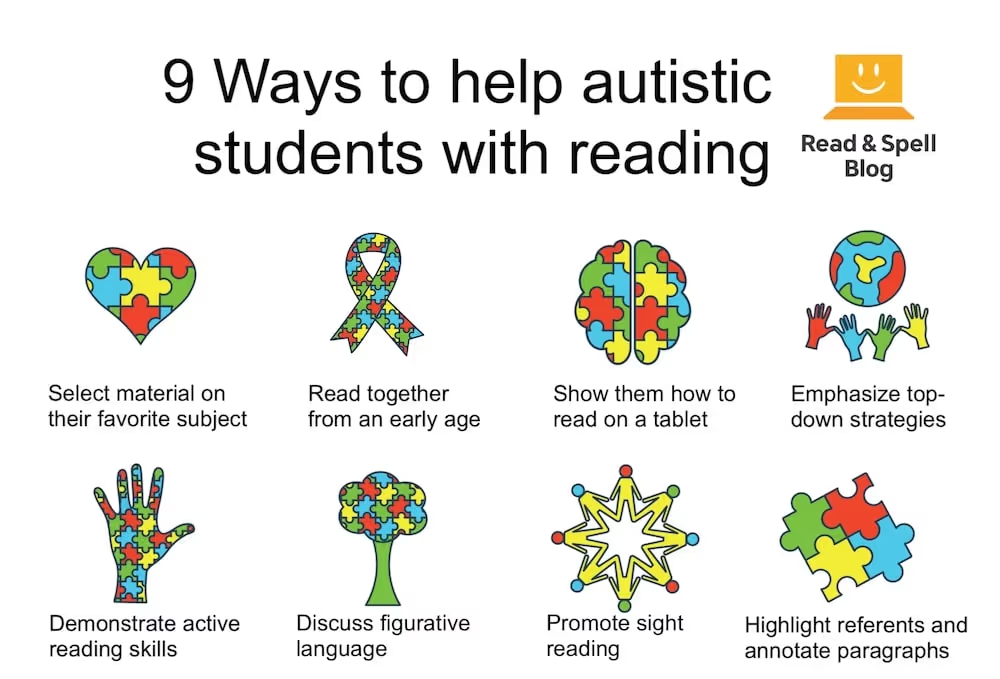
Autism and reading comprehension
Autism and reading comprehension are the subject of many research investigations which reveal decoding skills come more readily to students with ASD.
Special needs
Teaching tips
All
Encouraging children with learning difficulties
Learn more about encouraging children with learning difficulties by providing academic and emotional support, strategy instruction, and motivation.
Learning difficulties
Teaching tips
Dyspraxia
Dysgraphia
ADHD
All
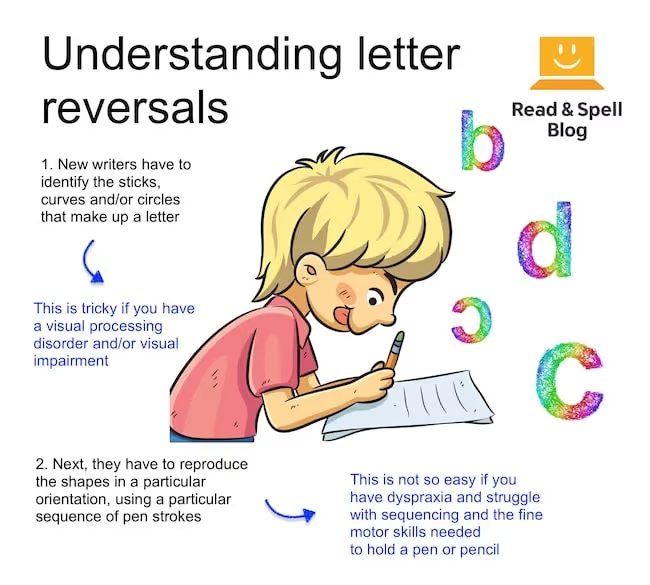
B and d letter reversal
If b and d letter reversal is an issue for a student, visual processing, dyspraxia, dysgraphia or dyslexia may be to blame.
Dyslexia
Learning difficulties
Special needs
All
Aphasia recovery time following a stroke
Learn more about aphasia recovery time, strategies you can try at home, and how rapidly people who have had a stroke can expect to make progress.
Stroke recovery
All
3 Causes of spelling difficulties
Dyslexia, ADHD/ADD and hearing impairment are common causes of spelling difficulties. Learn more about them and how you can help.
Spelling
Dyslexia
Dyspraxia
All
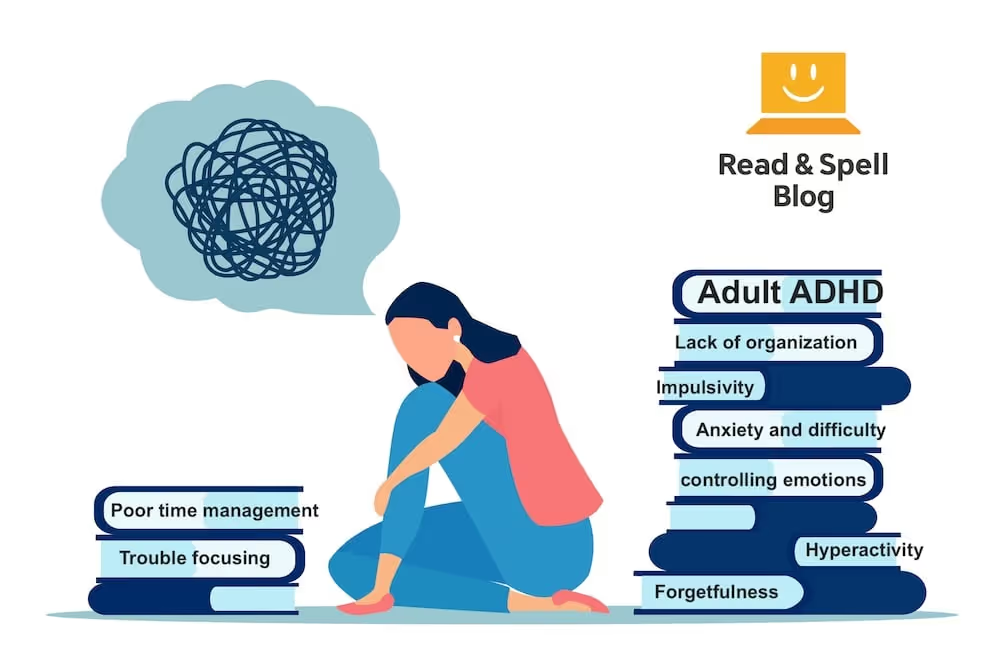
An Adult ADD / ADHD Checklist
An adult ADD checklist – which signs and symptoms should you look out for if you suspect you have attention difficulties, and how can you get tested?
Adult education
ADHD
All
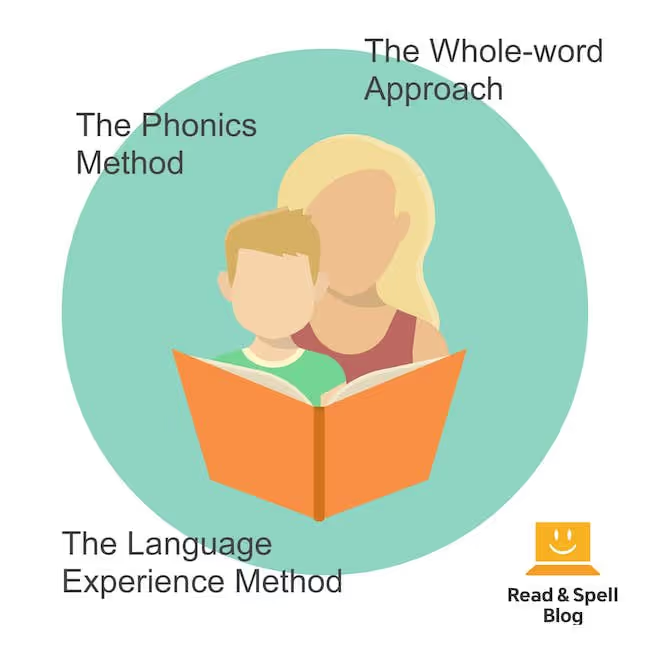
3 Methods for teaching reading
Learn more about 3 popular methods of teaching reading and how to select the best approach for a child with learning difficulties.
Literacy
Homeschooling
All
Where to find help for adult dyslexia
Learn about adult dyslexia – with the right resources every individual can achieve their full potential.
Dyslexia
Adult education
All
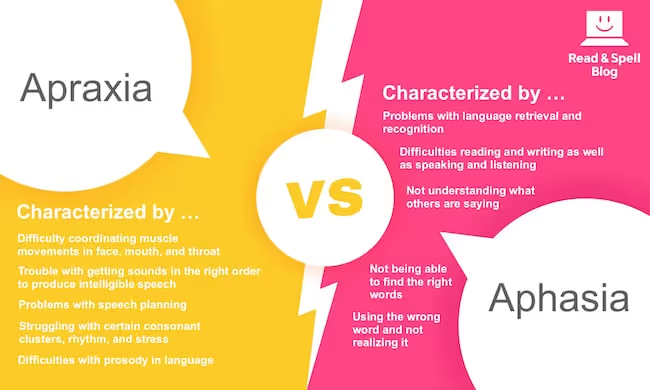
Apraxia vs. aphasia: What’s the difference?
Apraxia vs. aphasia – how to tell the difference between two conditions that commonly interrupt speech and language production following a stroke.
Stroke recovery
Special needs
All
Autism and memory
A guest post on autism and memory including five tips for helping individuals support and strengthen different types of memory.
Autism
All
Visual impairment in the classroom
Learn about visual impairment in the classroom and how the right resources and tools can ensure low vision doesn’t get in the way of literacy skills.
Special needs
Teaching tips
Visual impairment
All
How long does it take to learn to touch type?
Typing is an essential computer skill that can help you at school and in the workplace. So, how long does it take to learn to touch type?
Touch-typing
All
Handwriting difficulties
Learn more about dysgraphia, dyspraxia and how to help students who experience handwriting difficulties in the classroom.
Learning difficulties
Teaching tips
Dysgraphia
Dyspraxia
All
Teaching children with Down syndrome to read
Learn more about the challenges of teaching children with Down syndrome to read and try these 5 tips for reading success.
Down syndrome
All
5 Tips for teaching sight words
Teaching sight words is an important part of reading instruction for children and can be a valuable activity for English as an additional language learners.
Literacy
Teaching tips
All
Motivating kids to read
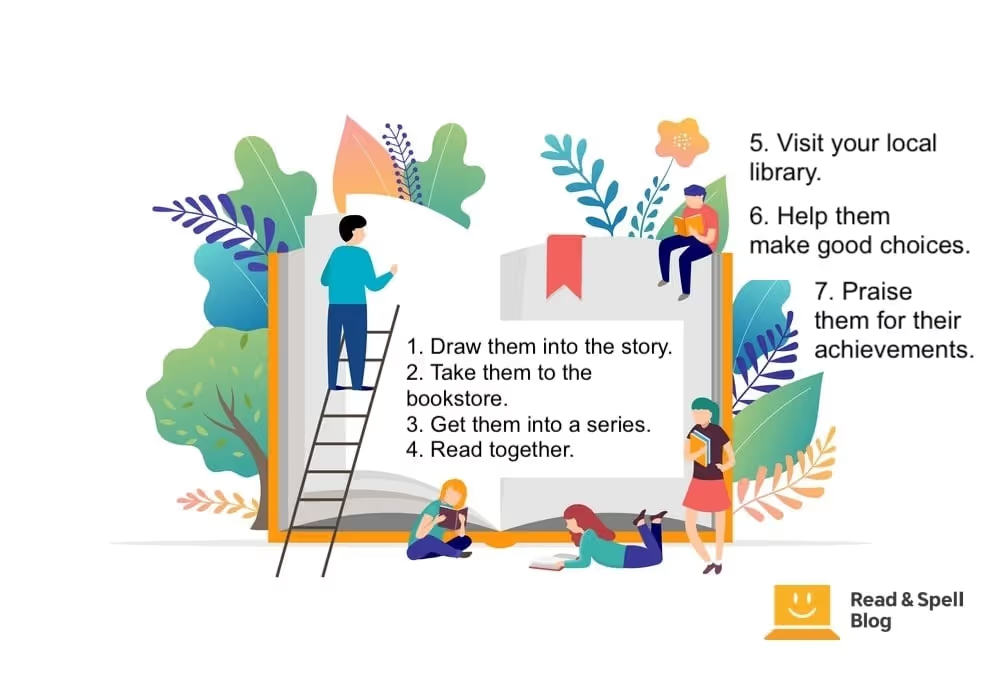
It's so important to foster a love of books from an early age. Learn how to focus on developing intrinsic motivation when motivating kids to read.
Literacy
Teaching tips
Learning difficulties
Homeschooling
All
How to find a good tutor
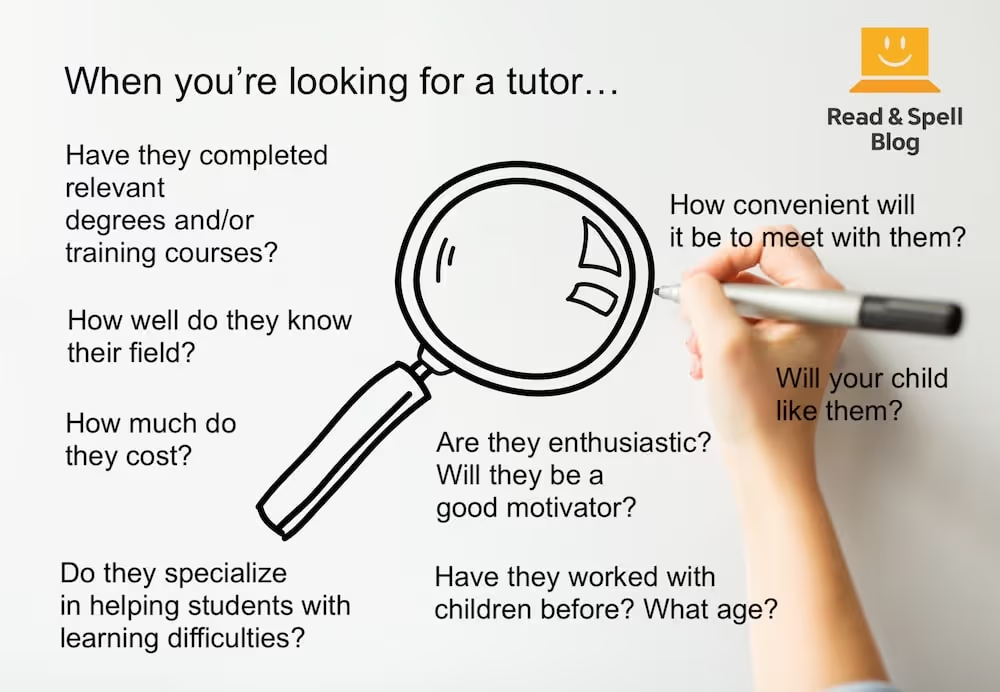
It's important for parents to know how to find a good tutor to help students achieve their full potential at school.
Learning difficulties
Spelling
Dyslexia
All
Left-handed and dyslexic
Is it more common for people to be left-handed and dyslexic? Learn about the genetic origins of handedness and why some people associate it with dyslexia.
Dyslexia
Teaching tips
All
ADHD Reading problems
Learn more about ADHD reading problems – including issues with reading fluency and comprehension - and discover strategies that can help.
Learning difficulties
ADHD
All
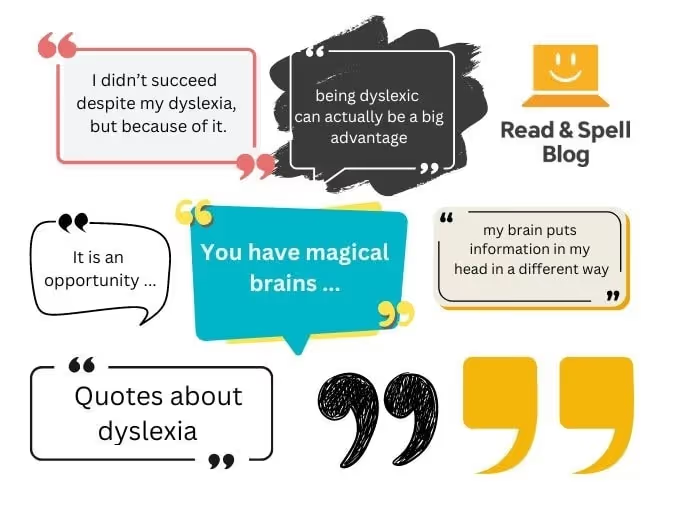
9 Quotes about dyslexia
Encourage students with these motivational quotes about dyslexia. Inspire them to overcome the challenges they face in reading and spelling.
Dyslexia
Learning difficulties
Teaching tips
All
Volunteering to teach adults to read
Volunteering to teach adults to read is a rewarding experience. Learn what to expect as a literacy tutor and how to get started.
Adult education
All
Irlen Syndrome
Irlen Syndrome causes problems with visual processing, affecting reading and light sensitivity. It can co-present with the learning difficulty dyslexia.
Dyslexia
Learning difficulties
Special needs
All
How to help a child with dyslexia at home
How to help a child with dyslexia at home - strategies for parents who want to support their children and help them do well at school.
Dyslexia
Homeschooling
All
Is dyslexia a disability?
Is dyslexia a disability? It all depends on which country you live in and how severely your dyslexia affects your ability to do your job.
Dyslexia
Adult education
All
9 Strategies for dysgraphia
Read through our list of recommended strategies for dysgraphia and learn more about how to help children and adults who struggle with writing by hand.
Learning difficulties
Teaching tips
Dysgraphia
All
3 Common reading problems for students
There are several common reading problems students may struggle with in the classroom. Learn what to look for and how you can help.
Literacy
Teaching tips
Dyslexia
All
5 Literacy blogs
5 Literacy blogs that anyone working as a volunteer reading tutor or in adult basic skills will find useful - from teaching tips to legislation overview.
Adult education
All
8 Email management tips for busy parents
Try these email management tips for busy parents and spend less time checking your inbox and more time playing with your kids.