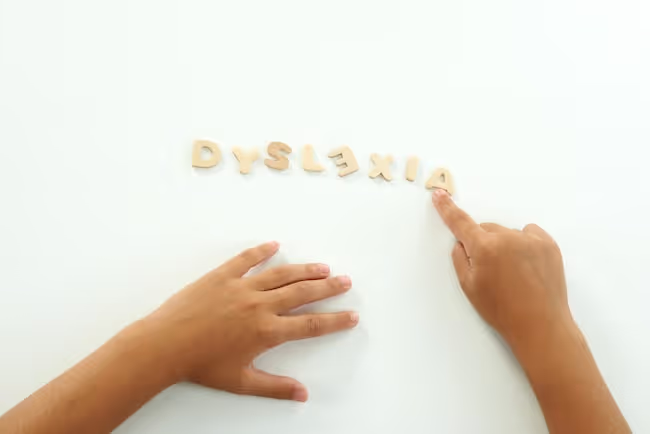



Dyslexia is a specific learning difference that can affect an individual’s ability to break words down into their component sounds. This, in turn, affects reading and spelling ability and may result in them needing extra time and/or classroom and workplace accommodations to achieve the same results as peers. However, dyslexia is not a measure of intelligence, it is just a different way of processing in the brain – and it is also associated with plenty of positives!
For example, dyslexic individuals may possess keen analytical and problem-solving skills. They may have sophisticated spatial awareness, can be talented and creative artists, and have a knack for seeing the bigger picture. They may “think outside the box,” and be great team players. Estimates suggest up to 10% of the population has dyslexia and it is not uncommon for adults to suspect they are dyslexic, particularly if reading and writing have always been a challenge.
But like most specific learning differences, dyslexia exists on a spectrum and no two people will experience the same set or severity of symptoms. Having a diagnostic assessment can help you learn more about your strengths and weaknesses and which strategies and accommodations will most benefit you.
Read more about the strengths associated with dyslexia, identifying dyslexia, and workplace strategies for dyslexics in these articles.
There are a number of reasons why an individual’s dyslexia may have gone undiagnosed. In some cases it is because the dyslexia is mild. People with mild dyslexia have to work harder than others but can often get through school with reasonable success and go on to pursue their chosen careers.
It’s also common for dyslexic individuals to develop their own set of coping skills to overcome the challenges they face - whether or not they are aware they are doing this. As long as their coping skills work, there is no need for them to address the underlying cause of the difficulty.
For those with more severe dyslexia, it’s possible that poor performance at school was attributed to laziness or “not trying.”
Some kids respond to frustration by acting out or becoming the class clown. They may leave school early and miss out on any general testing opportunities that could flag up a learning difficulty.
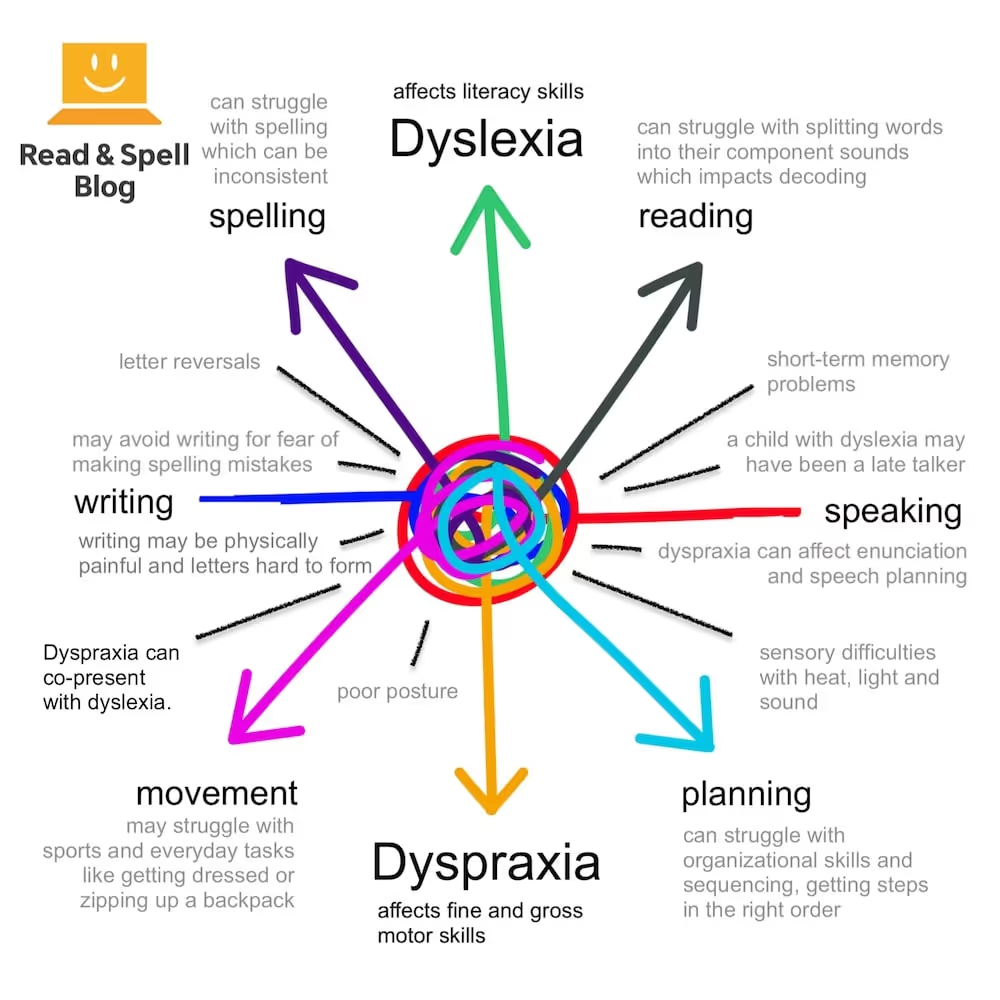
It may also be that a secondary learning difficulty or physical impairment overshadowed the dyslexia and caused it to be missed. This can happen to individuals with ADHD, dyspraxia, dysgraphia, people who are on the autistic spectrum, and even children who are identified as gifted.
Self-esteem and confidence
If you have undiagnosed dyslexia, you may have always believed you weren’t good at school. Many adults with undiagnosed learning difficulties report low confidence, low self-esteem and a secret sense of shame. Some go around worried others will find out their secret, and this can translate into avoidance of activities and social events where literacy skills deficits might be exposed.
But a formal assessment for dyslexia can change all of that. That’s because it gives the issue a name, and therefore provides an explanation for many of the difficulties a person has experienced. It also opens up access to strategies and accommodations that can help improve performance at work or at school, and boost confidence.
If you think you may be dyslexic, have a look at the checklist below and read our post on what’s involved in testing for dyslexia to learn more.
What is dyslexia?
Dyslexia is a particular way of processing in the brain that affects how an individual learns. It’s most frequently hereditary meaning it can be passed from parents to their children and while there are no official types of dyslexia, there are different ways in which it can present. Phonological dyslexia relates to how a person hears the sounds that make up words. Dyslexia is not something that you grow out of, nor is it an illness you can cure, but with the right strategies and tools you can overcome the challenges associated with it. Read more about dyslexia.
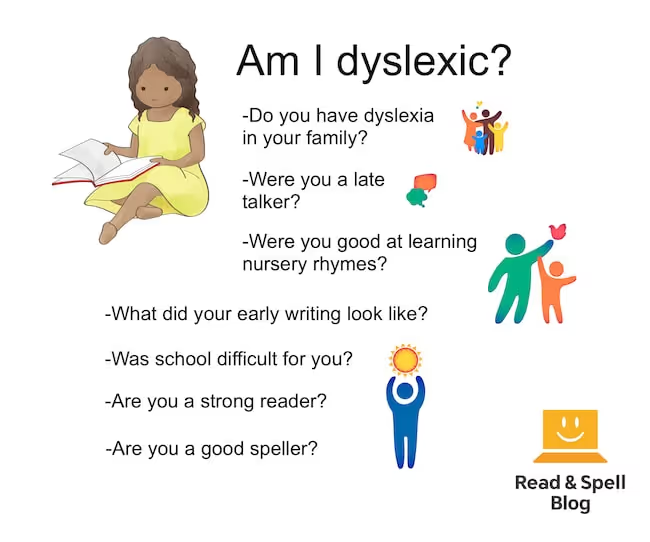
Try this dyslexia checklist
- Do you have dyslexia in your family? If you have an immediate family member who is dyslexic, the chances that you also have dyslexia are higher. This could be your parents, your siblings or even your children. Sometimes a parent with mild dyslexia is only made aware of the presence of a learning difficulty when his or her child has an assessment.
- Were you a late talker? Ask your parents or consult your baby book to learn more about your early language development. Did you meet the infant and toddler milestones for your age group? Dyslexic individuals tend to have been late-talkers and may have had peculiar ways of saying certain words, including leaving out a beginning or end sound.
- Were you good at learning nursery rhymes? English rhymes involve a lot of phoneme segmentation and sound blending which can be hard for a child with dyslexia. These are spoken language skills that relate to reading and spelling.
- What did your early writing look like? Children with dyslexia tend to struggle with letter formation longer than their peers. It is normal to flip letters around in writing when you first start learning how to write, but these types of mistakes often continue to occur in older children who have dyslexia. Learn more about letter reversals.
- Was school difficult for you? Do you remember having a hard time communicating as a child? Did you need extra time for classroom assignments or feel you were behind your peers? Did you like school or was it always something you had to work extra hard at?
- Are you a strong reader? How long does it take you to read a page? Do you enjoy reading or is it frustrating on occasion? Many dyslexic individuals need to take several passes at a page to fully understand it. They can find themselves re-reading the same lines or misreading words. They may also struggle with reading out loud and/or sounding out new words.
- Are you a good speller? Spelling is a rather superficial element of writing but unfortunately, it's also one aspect that tends to stand out more than others. Individuals with dyslexia may get the letters right but have them in the wrong order. They also tend to be inconsistent, spelling a word correctly one day and not the next. Additionally, they can have a hard time with service words because they are less amenable to mnemonic devices. Learn more about spelling strategies for individuals with dyslexia.
Other behaviors that are commonly associated with dyslexia include a preference for writing in all caps (which may be easier to read than lowercase letters) and difficulties with short-term memory.
Assessment and next steps
If many of the items on this checklist sound familiar, a next step might be to complete an online screening test. There are plenty of free tests available – see our article "how do they test for dyslexia" for some links. Keep in mind these tests are not designed to provide an official diagnosis, rather they give you a quick snapshot of your skills in different areas. You can use your performance to learn if further testing is advised.
Even with diagnostic testing, it’s impossible to be 100% sure you have dyslexia. However, a trained language specialist will spend a few hours with you to see how you do on various tasks, provide their informed opinion on the likelihood of dyslexia, and recommend some strategies and accommodations that can help.
Not only will a diagnostic assessment provide you with guidance going forward, but in some cases it can also be used to access disability allowances at work or special privileges at school, such as using a computer for testing or essay writing, or getting extended time limits for assignments and exams.

Strategies and accommodations
If you’d like to get started right away there are a handful of minor adjustments you can make that will change the way you work or study at home.
Complete written work on the computer.
This opens up access to a spell-checker and makes it easier for you to re-read your own writing.
Pay attention to the font you are writing in.
Certain fonts are actually harder for dyslexic individuals to read, particularly those with serifs and other flourishes. Learn more about fonts.
Learn to touch-type.
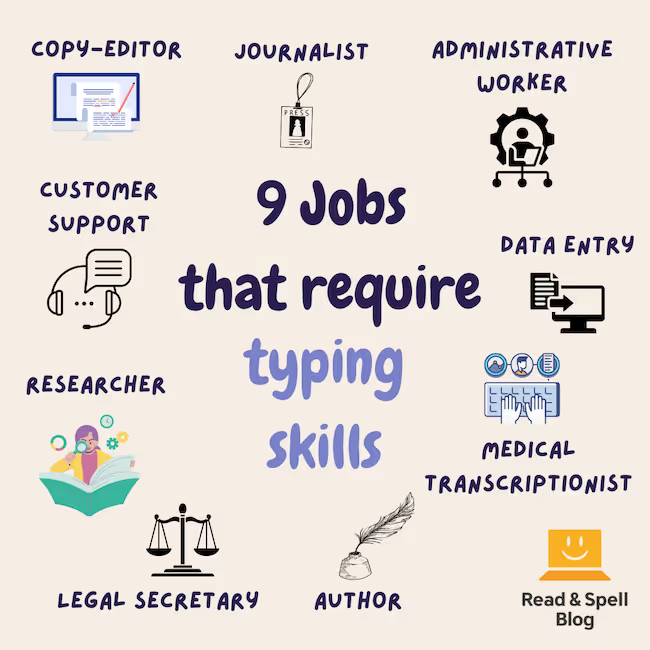
Touch-typing takes spelling and translates it into a series of muscle movements, helping dyslexics improve their spelling ability and make fewer errors. Rather than hunting for letters on a keyboard, typing becomes automatic, so the brain is freed up to concentrate on ideas. Learn more about the benefits of typing for individuals with dyslexia.
Touch-type Read and Spell is a program that was originally designed specifically for children and adults with dyslexia. Nonetheless, its “dyslexia-friendly” and multi-sensory approach makes it appropriate for people of all ages who experience a broad range of learning difficulties.
It’s recommended by the British Dyslexia Association and teaches you to type using a structured program of phonics, so you strengthen your spelling and decoding skills at the same time.