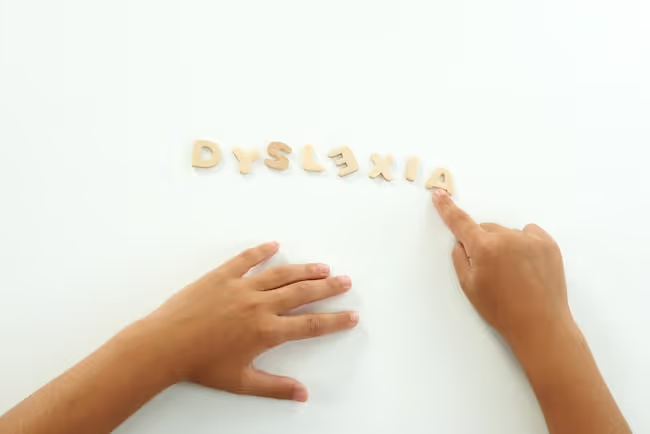



Dyslexia is a specific learning difference that can affect an individual’s ability to correctly identify and manipulate the sounds that make up spoken language. This in turn can negatively affect reading and spelling skills.
Dyslexic adults are not less intelligent than other people, their brains simply process language in a different way. But because not everyone who has dyslexia is aware they are struggling with a specific learning difference, some individuals may believe they are stupid, not cut out for school, or are simply not skilled enough when it comes to reading and writing.
For dyslexic children and adults who don’t get the help they need, this can lead to feelings of low self-worth and a lack of confidence in the classroom or workplace. That’s why diagnosing dyslexia is an important first step, followed by seeking out support from local groups and national organizations, such as the British and American Dyslexia Associations.
No two individuals with dyslexia will have exactly the same needs, but with access to the right accommodations and an effective strategy program, dyslexic adults can boost literacy skills, increase confidence and gain a better understanding of their own strengths and abilities.
In the past, having dyslexia may have been considered a negative thing. However, today we understand that this is not necessarily the case. Sure, dyslexia comes with some challenges, but there are positives too!
Dyslexic individuals can excel in problem solving and be skilled at bringing together ideas from different domains -- they can even exhibit giftedness! These skills can translate into success in entrepreneurial pursuits, which was the case for Virgin CEO Richard Branson and media mogul Ted Turner.
Dyslexic individuals can also be extremely creative and talented people who become artists, musicians, actors and writers. Tom Cruise, Orlando Bloom, Jay Leno and Lara Flynn Boyle are just a handful of the many dyslexic stars.
Learn more about the strengths associated with dyslexia and have a read through this article with motivational quotes from successful public figures and celebrities who have dyslexia.
What is dyslexia?
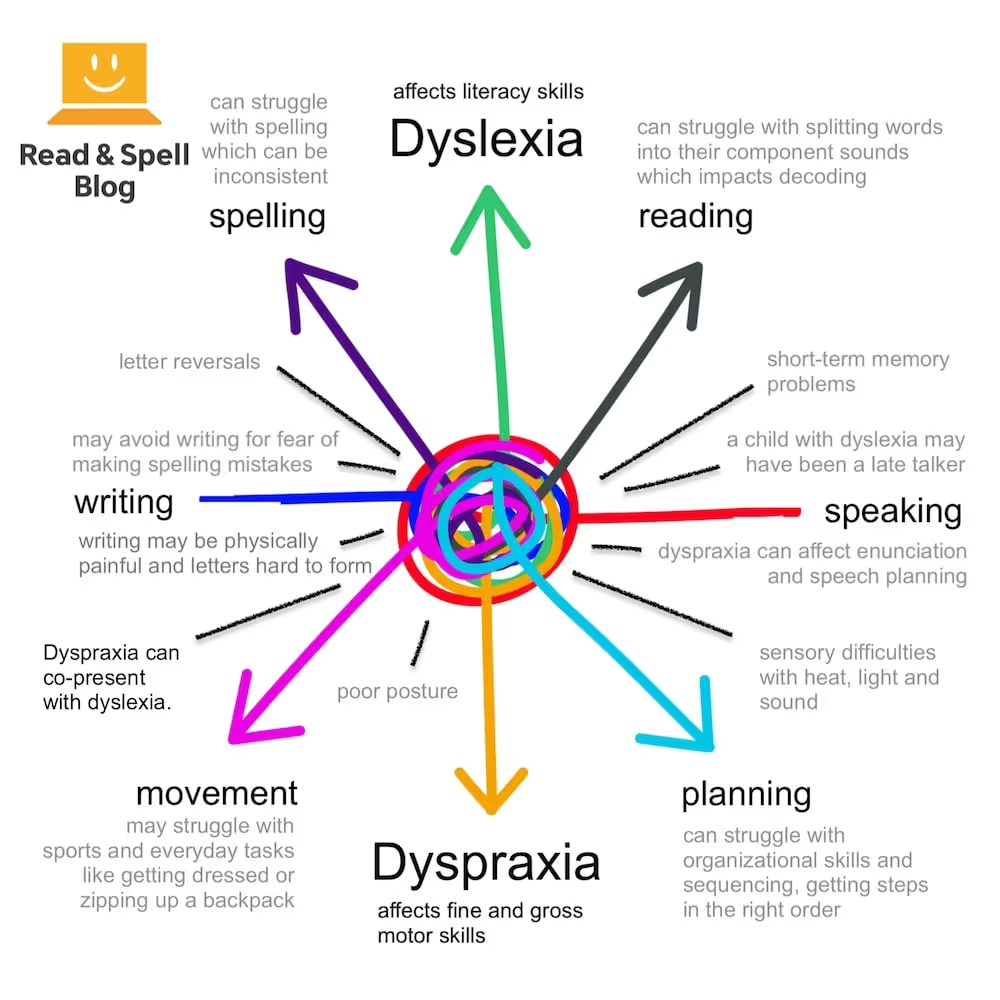
Dyslexia can range in severity but generally makes it harder for people to hear the sounds that make up spoken language. This in turn affects their spelling, reading and writing skills (memory and processing speed may also be affected). Note, difficulty negotiating numbers is referred to as dyscalculia and is slightly different, though dyscalculia and dyslexia can co-occur.
Dyslexic individuals may require more time to complete assignments at work and at school. They might reread pages frequently, mix up labels, have trouble finding certain words and struggle to express themselves in written work. Some of the more visible signs of adult dyslexia can be poor spelling skills and difficulty reading out loud. Organizational skills, sequencing, and timing might also be affected.
Adults with mild dyslexia may have to work harder than their peers to finish school but are generally able to complete their studies and go on to higher education and/or to pursue their chosen career. On the other hand, severe cases of dyslexia can result in functional illiteracy and a lack of confidence/ low self-esteem in adults who feel shame and embarrassment because of their poor literacy skills. Adults with dyslexia may also struggle with a secondary learning difference such as ADHD, dysgraphia and/or dyspraxia.
Learn more in these posts on identifying dyslexia, learning disabilities in adults, spelling help for adults, what is dyspraxia, and dyslexia vs. dysgraphia.

Help for adult dyslexia
Thankfully, it is increasingly possible for adults with dyslexia to get the help they need and achieve success in their chosen careers.
Dyslexia associations
In many countries, including the US and UK, associations exist on a regional and national level. They may serve as dyslexia advocates with local governments and host online sites with materials on assessment, strategies and classroom/workplace accommodations.
For example, if you visit the British Dyslexia Association’s website you’ll find online tests and checklists for understanding how dyslexia affects you, figuring out your needs and locating specialists and technology that can help. There may additionally be information on the disability laws surrounding dyslexia and confidential email inboxes and helplines to offer support for anyone in need. Learn about support in the US.
Local support groups
Because no two individuals are alike, support groups offer an opportunity to share in a safe environment. Adults can encourage and motivate each other as well as exchange ideas on coping strategies and resources that have worked for them. Additionally, community groups serve as a mechanism for educating the public about dyslexia.
Adult education programs
Some adults with dyslexia who leave school early may consider going back to high school or college to finish their degrees. Adult basic skills programs offer night and weekend courses that help mature learners strengthen their reading, writing, math, and computer skills.
They may also offer classes in particular subject areas so working adults can develop practical skills that can be applied in their day to day. Learn more about adult basic skills and going back to school as a mature learner in these posts.
Private and volunteer tutoring centers
In certain cases, an adult learner may benefit from a customized learning program. Volunteer literacy tutors can help, as can private tutors who specialize in helping adults with learning difficulties understand and meet their needs as mature learners. Learn more in our post on how to find the right tutor.
It’s also a good idea to follow social media accounts and bloggers who post on dyslexia – try this list for starters.
Assessment options
Depending on where you are, it may be more convenient to take an online screening test which can point you in the right direction. However, some people prefer to visit state and regional centers for diagnostic testing. In certain cases schools, colleges and universities, hospitals and even mental health centers may offer assessment measures for adults who suspect they have dyslexia.
Specialists in educational psychology, clinical psychologists and neuropsychologists can also provide screening or in depth testing, though costs may be a consideration when arranged privately. Contact your local association to find out more – particularly when it comes to locating subsidized testing services.

Technology that makes a difference
Working adults are often faced with a different set of challenges to children and young-adults with dyslexia, including having to raise a family and make a living while overcoming the difficulties associated with a learning difference.
How they cope is in some part determined by the severity and nature of their dyslexia, their past experiences with education, the challenges of their job, and having access to the right support and accommodations. That’s why assistive technology is so valuable as it provides flexible support that can meet a variety of needs.
- Smartphones and tablets have text-to-speech technology that can help with reading, and auto-complete technology to assist with spelling.
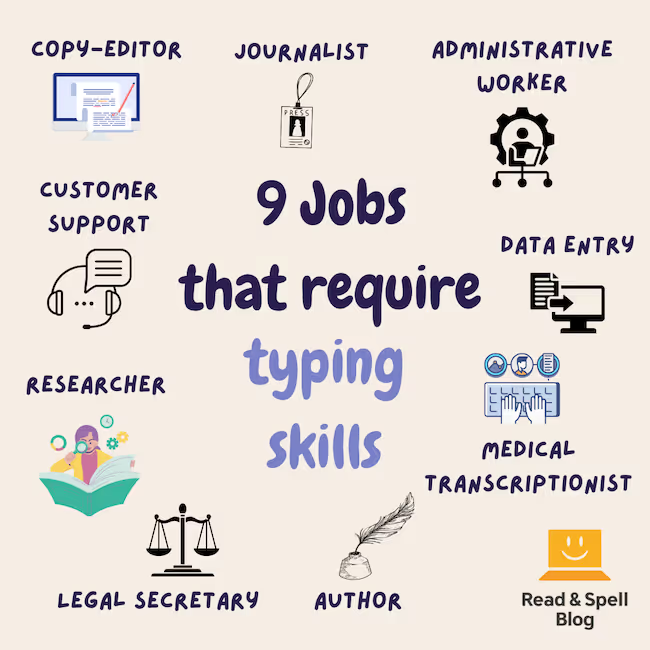
- Laptops and desktop computers offer grammar and spell checks as well as a keyboard so adults can touch-type written work. Typing can help dyslexic individuals to overcome spelling challenges. This is not only because of in-built spell checkers, but also because touch-typing harnesses muscle memory in the fingers to encode spelling as a series of keystrokes. Learn more in our post on touch-typing for dyslexics.
- Programs and apps provide specific support that can enhance memory and processing skills as well as familiarity with English phonics, reading, and spelling skills.
Typing programs
Touch-type Read and Spell is a program designed to help adults with dyslexia improve literacy skills and build confidence as they learn keyboarding. It takes a multi-sensory approach and uses a series of bite-sized modules and lessons in which learners see, hear, and type the words to reinforce learning. The course teaches a structured program of English phonics that helps users enhance decoding ability and improve spelling skills as they learn to type.
Discover a typing program for adults with dyslexia
Busy adults can work through material at their own pace and convenience, repeating as many times as necessary until they are ready to move on. Over time, regular use of TTRS can improve confidence, self-esteem, and reading and spelling ability. It can also provide a valuable life skill -- the ability to touch-type!