Oops! Something went wrong while submitting the form.
All
Left-handed and dyslexic
Is it more common for people to be left-handed and dyslexic? Learn about the genetic origins of handedness and why some people associate it with dyslexia.
Dyslexia
Teaching tips
All
How to improve writing skills in English
Learn how to improve writing skills in English and check out our tips for teachers of English as a second language who are looking to motivate students.
Adult education
English language learning
All
ADHD Reading problems
Learn more about ADHD reading problems – including issues with reading fluency and comprehension - and discover strategies that can help.
Learning difficulties
ADHD
All
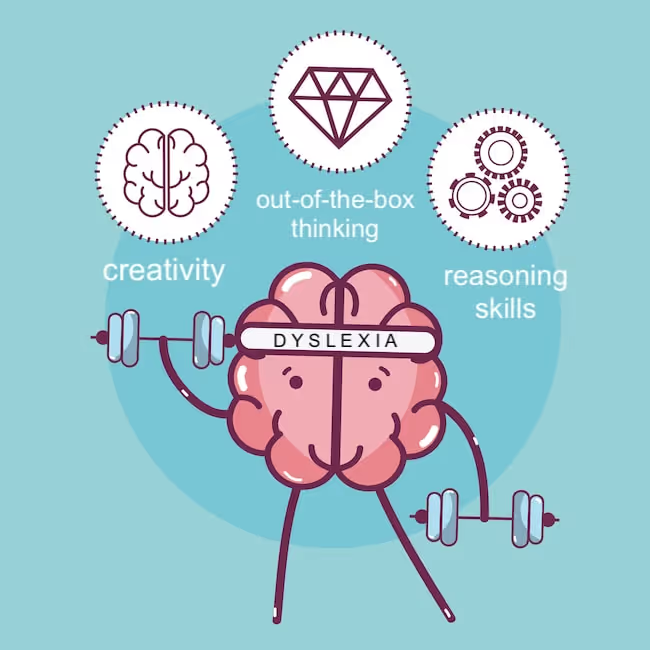
7 Dyslexia strengths you should know about
Being aware of dyslexia strengths like creativity and enhanced problem-solving skills can boost confidence in learners - try this strength-finding activity!
Dyslexia
Learning difficulties
Teaching tips
All
Dyspraxia vs. apraxia of speech
When it comes to dyspraxia vs. apraxia of speech the difference lies in the part of the body most affected and the severity of the motor skills difficulty.
Special needs
Dyspraxia
All
Touch typing for dyslexics
Touch typing for dyslexics reinforces phonics, makes reading by sight easier, and improves spelling and writing skills both in children and adults.
Touch-typing
Dyslexia
Teaching tips
All
Orton-Gillingham reading instruction
Orton-Gillingham reading instruction is a multi-sensory and phonics based approach that helps students with dyslexia develop literacy skills.
Literacy
Teaching tips
Dyslexia
Homeschooling
All
Teaching phonemic awareness
Teaching phonemic awareness helps children develop into strong readers and is especially important for learners with dyslexia.
Literacy
Dyslexia
Homeschooling
All
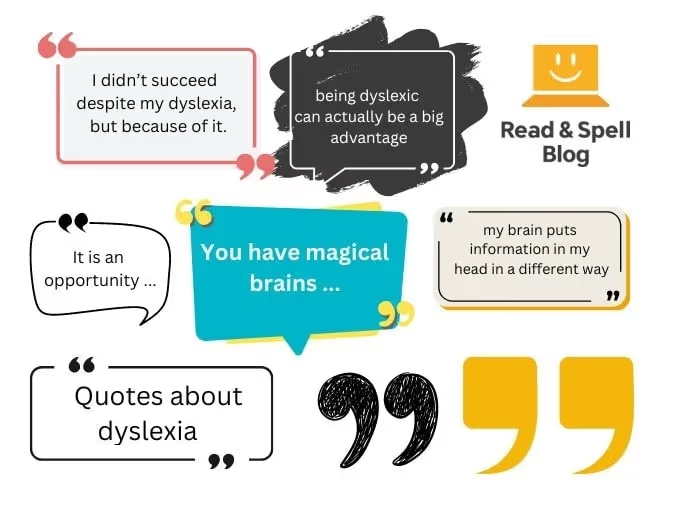
9 Quotes about dyslexia
Encourage students with these motivational quotes about dyslexia. Inspire them to overcome the challenges they face in reading and spelling.
Dyslexia
Learning difficulties
Teaching tips
All
Writing in all caps
Writing in all caps is something someone with dyslexia or dysgraphia may do due to the difficulty they experience when writing lower-case letters.
Dyslexia
ADHD
Dyspraxia
Dysgraphia
Teaching tips
All
Jobs for people with Down syndrome
An overview of jobs for people with Down syndrome and how to get the skills you need to find full or part-time employment.
Down syndrome
All
How to improve typing speed
If you would like to know how to improve typing speed, learning to touch-type is the first step! Here are 9 tips for increasing your speed.
Touch-typing
All
A multi-sensory approach to reading
A multi-sensory approach to reading is important for children who struggle with learning difficulties and can benefit all students in the classroom.
Literacy
Teaching tips
Dyslexia
All
10 Fluency strategies for struggling readers
Learn more about literacy skills development and the best fluency strategies for struggling readers in and outside of the classroom.
Literacy
Learning difficulties
Dyslexia
All
Dyslexia reading strategies for students
Learn about dyslexia reading strategies for students who are struggling with literacy skills development at home or at school.
Dyslexia
Literacy
Learning difficulties
Teaching tips
All
Developing spelling skills
Developing spelling skills in learners is always a challenge – try these fun tips for your students and boost reading skills at the same time!
Spelling
Teaching tips
Dyslexia
ADHD
Homeschooling
All
What is child-led learning?
What is child-led learning and how can parents and educators implement this approach both in homeschooling contexts and in the classroom.
Literacy
Teaching tips
All
7 Activities for stroke patients
It’s important to choose activities for stroke patients that engage the brain, body and senses to aid recovery and bring about a change in attitude.
Stroke recovery
All
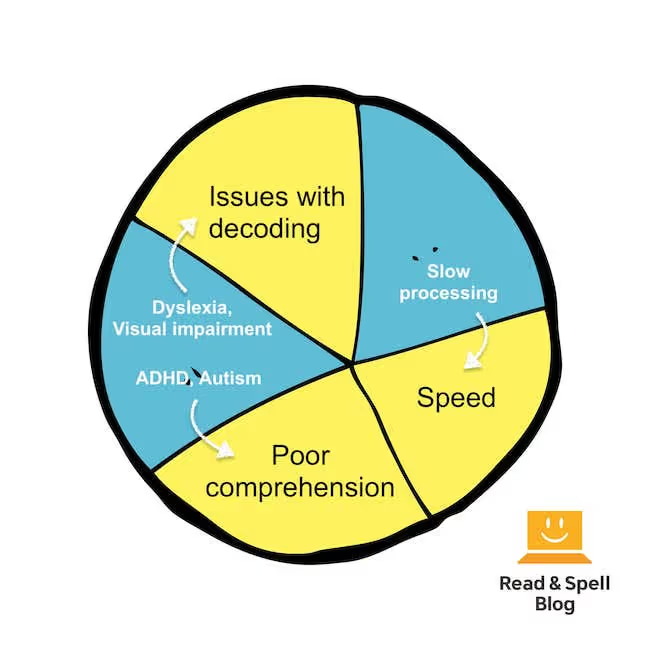
3 Common reading problems for students
There are several common reading problems students may struggle with in the classroom. Learn what to look for and how you can help.
Literacy
Teaching tips
Dyslexia
All
Volunteering to teach adults to read
Volunteering to teach adults to read is a rewarding experience. Learn what to expect as a literacy tutor and how to get started.
Adult education
All
Encouraging children with learning difficulties
Learn more about encouraging children with learning difficulties by providing academic and emotional support, strategy instruction, and motivation.
Learning difficulties
Teaching tips
Dyspraxia
Dysgraphia
ADHD
All
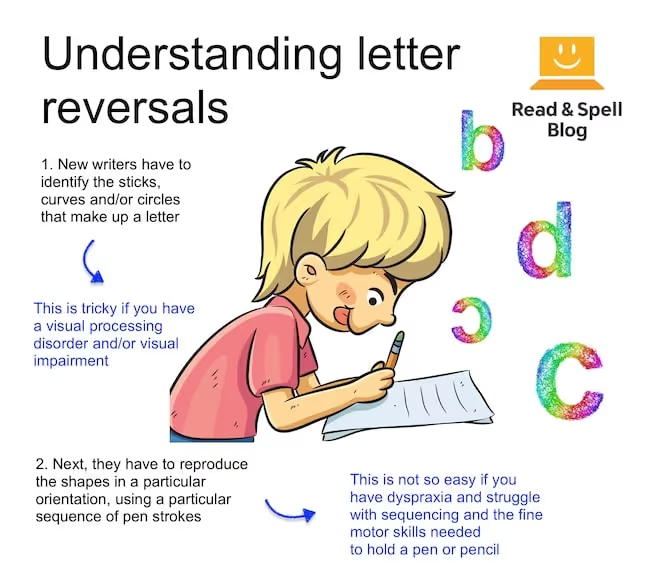
B and d letter reversal
If b and d letter reversal is an issue for a student, visual processing, dyspraxia, dysgraphia or dyslexia may be to blame.
Dyslexia
Learning difficulties
Special needs
All
5 Literacy blogs
5 Literacy blogs that anyone working as a volunteer reading tutor or in adult basic skills will find useful - from teaching tips to legislation overview.
Adult education
English language learning
All
Aphasia recovery time following a stroke
Learn more about aphasia recovery time, strategies you can try at home, and how rapidly people who have had a stroke can expect to make progress.
Stroke recovery
All
Dysarthria vs. aphasia
Which symptoms can you expect for dysarthria vs. aphasia and how can stroke survivors improve their language skills at home.
Stroke recovery
Special needs
All
How to help with spelling
Learn how to help with spelling and understand which students are more likely to experience spelling difficulties in the classroom.
Spelling
Teaching tips
Dyslexia
All
8 Email management tips for busy parents
Try these email management tips for busy parents and spend less time checking your inbox and more time playing with your kids.
Touch-typing
All
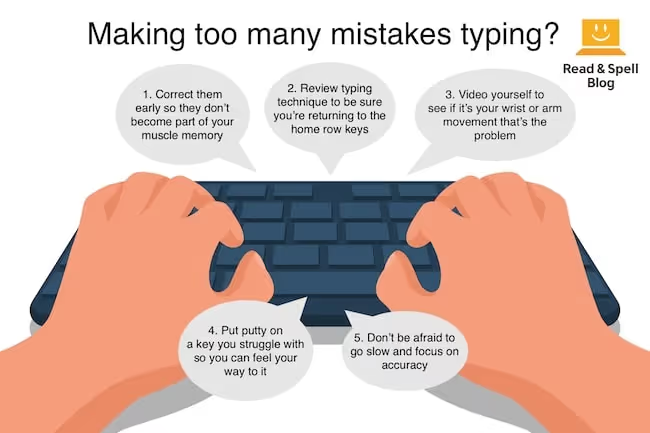
How to avoid wrist pain from typing
It's important to consider how you type if you are trying to avoid wrist pain from typing. Try these tips on what to do if you have an injury.
Touch-typing
All
6 Dyslexia blogs for parents and teachers
A list of dyslexia blogs we recommend for parents and teachers searching for the right resources and guidance on strategies for success.
Dyslexia
Teaching tips
Homeschooling
All
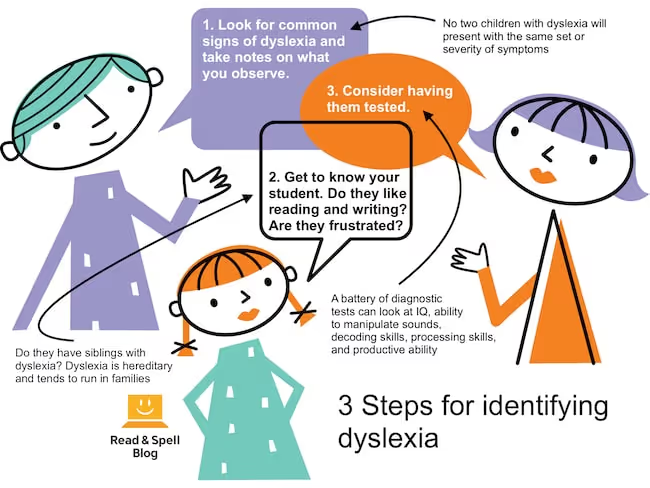
Identifying dyslexia in 3 easy steps
Try these tips to help with identifying dyslexia in the classroom and learn which accommodations and strategies can make a difference for dyslexic students.
Dyslexia
Learning difficulties
Teaching tips
All
Typing without looking and why it's so hard
What is typing without looking at the keyboard? Learn about muscle memory in the hands and the basic steps of mastering this skill.
Touch-typing
All
7 Signs of a gifted child
Recognize the signs of a gifted child and learn how to give them the stimulation they need to both develop and thrive in the classroom.
Teaching tips
Learning difficulties
Dyslexia
ADHD
Special needs
All
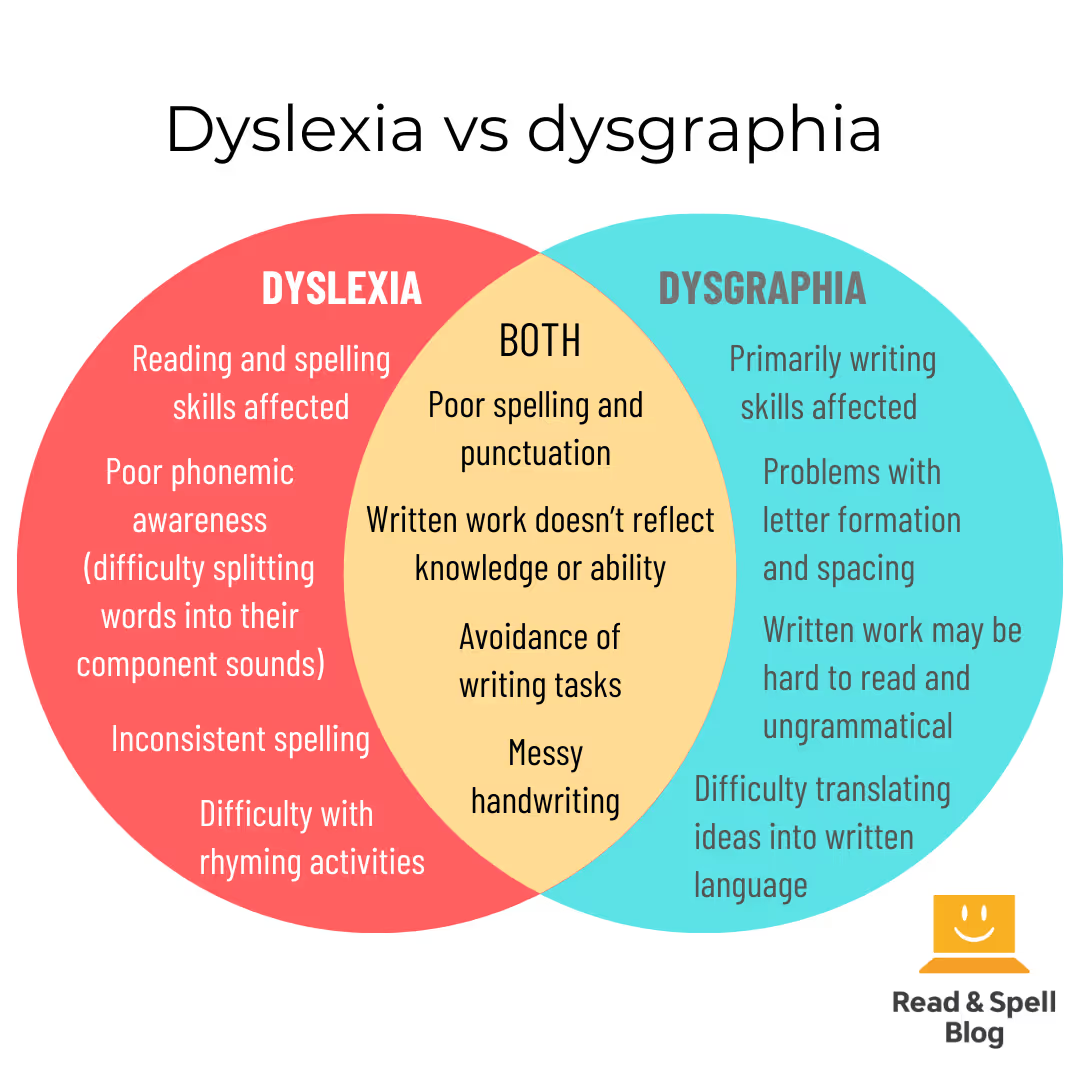
Dyslexia and dysgraphia - what's the difference?
The difference between dyslexia and dysgraphia is that the former is associated with reading and spelling, and the latter with writing difficulties.
Dyslexia
Learning difficulties
Dysgraphia
All
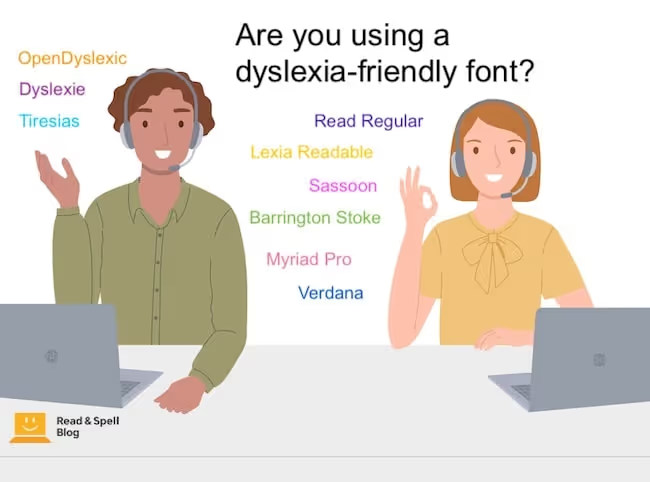
What's the best font for dyslexia?
There is no one best font for dyslexia, but there are some good options, including Open Dyslexic and sans-serif fonts which cause less visual distraction.
Dyslexia
Learning difficulties
All
My child has dyslexia
My child has dyslexia, now what? A guest post on understanding what it means to be dyslexic and how you can help children and teens.
Dyslexia
Learning difficulties
Teaching tips
Homeschooling
All
Does dyslexia affect speech?
Does dyslexia affect speech? Kids with dyslexia can be late-talkers and may struggle with language recall, nurse rhymes, and tongue-twisters.
Dyslexia
Teaching tips
All
Dysgraphia in adults
Learn how to recognize dysgraphia in adults and discover different approaches for improving writing skills in the classroom or workplace.
Adult education
All
Dyslexia at work: Strategies for working from home
An article for both employees and employers about dyslexia at work, strategies for working from home, and how the workplace has changed post Covid.
Adult education
All
Irlen Syndrome
Irlen Syndrome causes problems with visual processing, affecting reading and light sensitivity. It can co-present with the learning difficulty dyslexia.
Dyslexia
Learning difficulties
Special needs
All
7 Ways to help a frustrated student
7 Ways to help a frustrated student - how to spot the signs of frustration, teach coping techniques, and provide strategy training.
Teaching tips
Learning difficulties
Special needs
All
How to help a child with dyslexia at home
How to help a child with dyslexia at home - strategies for parents who want to support their children and help them do well at school.
Dyslexia
Homeschooling
All
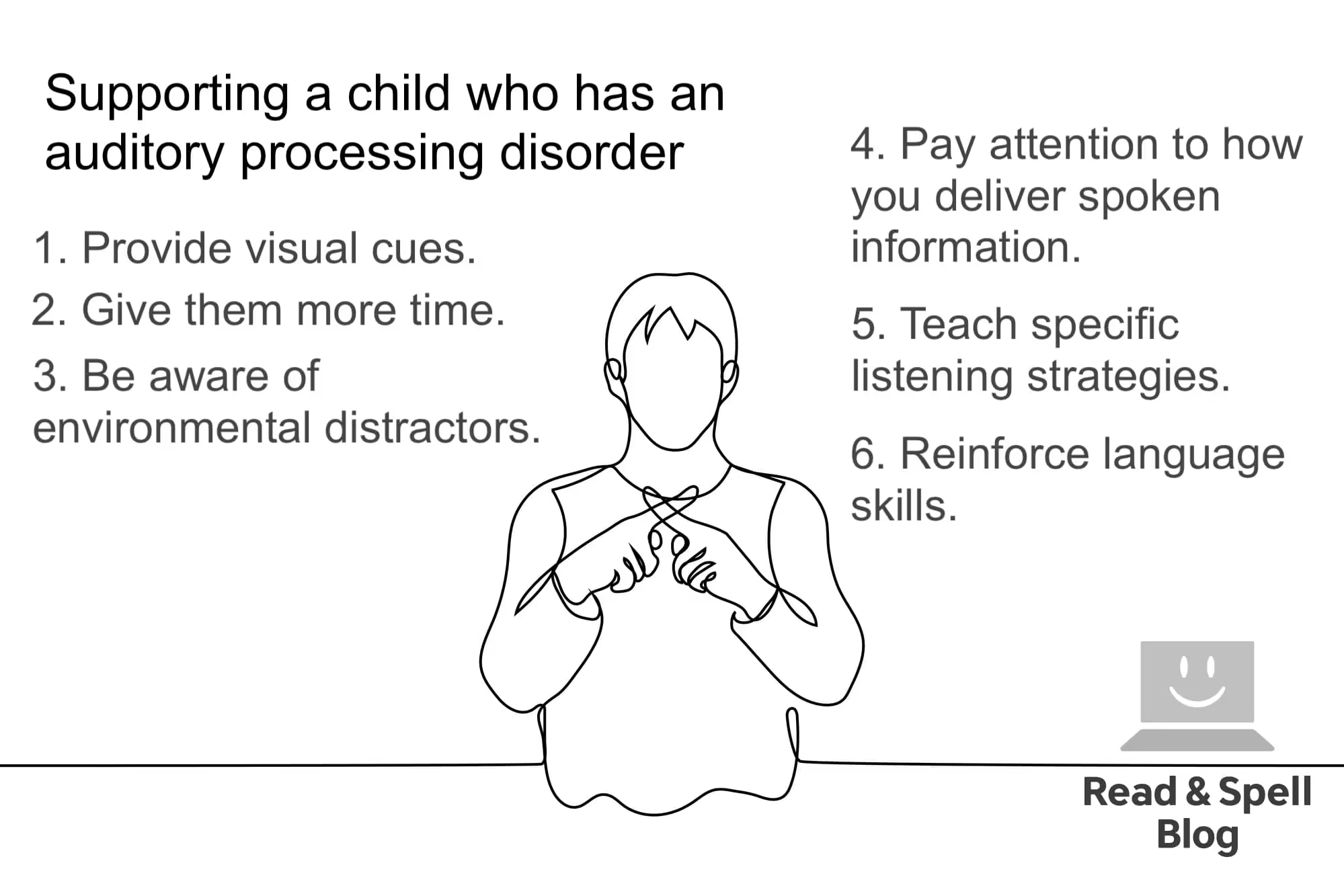
Recognizing an auditory processing disorder in children
Learn how to recognize the signs of auditory processing disorders and how you can help support these children in the classroom.
Special needs
Learning difficulties
Teaching tips
All
Signs your child is dyslexic
What are the signs your child is dyslexic? Hear how our guest author recognized dyslexia in his daughter and helped her get the right support at school.
Dyslexia
Learning difficulties
All
Visual processing disorder and dyslexia
How do a visual processing disorder and dyslexia differ and what accommodations can parents and teachers make to help a child who is struggling at school.
Dyslexia
Learning difficulties
Special needs
Homeschooling
All
Computer basics for adults
Computer basics for adults can help individuals feel more confident at the keyboard and get the practice they need on everyday programs.
Adult education
All
9 Tips for adult learners
9 Tips for adult learners who are headed back to college including how to stay motivated, manage a routine and develop your study skills.
Adult education
All
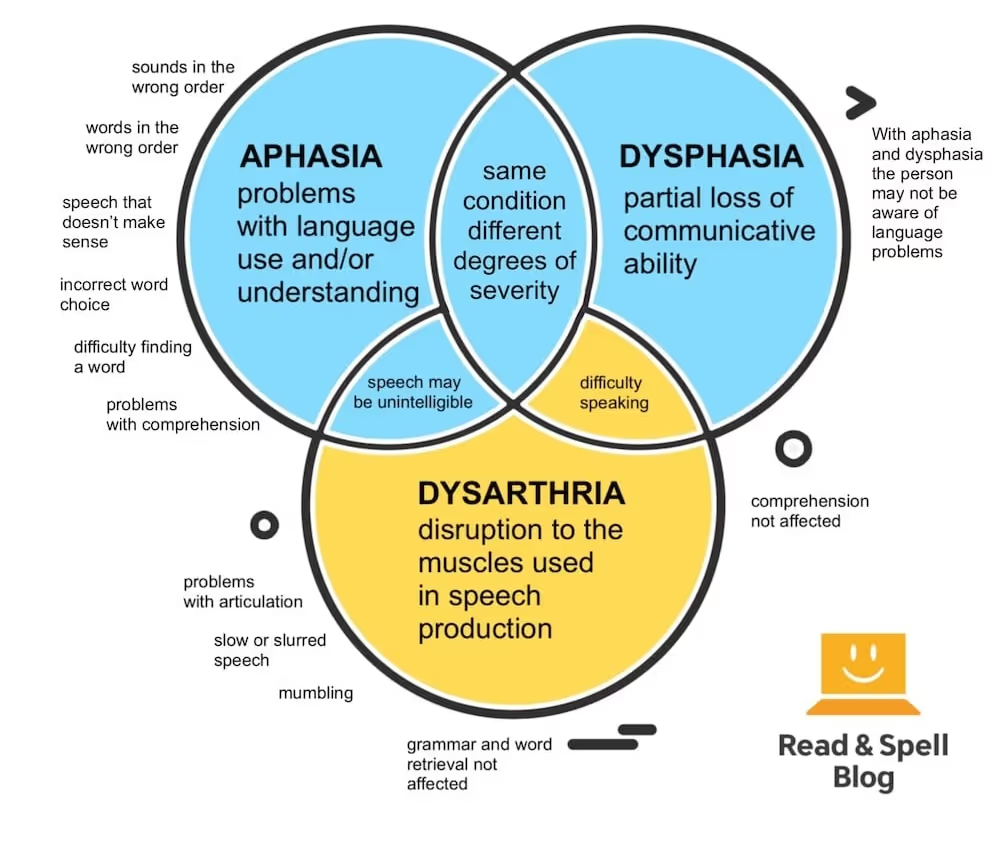
What's the difference between aphasia, dysphasia and dysarthria?
The difference between aphasia, dysphasia and dysarthria is related to the nature of the disruption to communicative abilities.
Special needs
Stroke recovery
All
3 Causes of spelling difficulties
Dyslexia, ADHD/ADD and hearing impairment are common causes of spelling difficulties. Learn more about them and how you can help.